

In the quest for sustainable industrial solutions, Hangzhou Hanzhikang Purification Equipment Co., Ltd. has introduced a groundbreaking innovation: cost-saving reusable filters integrated with a self-cleaning system. Designed to address the challenges of traditional filtration-such as high replacement costs, manual maintenance, and environmental waste-Hanzhikang's technology offers a transformative approach to industrial filtration. This article explores the technical features, applications, and real-world benefits of these filters, backed by Hanzhikang's expertise in manufacturing advanced filtration equipment.
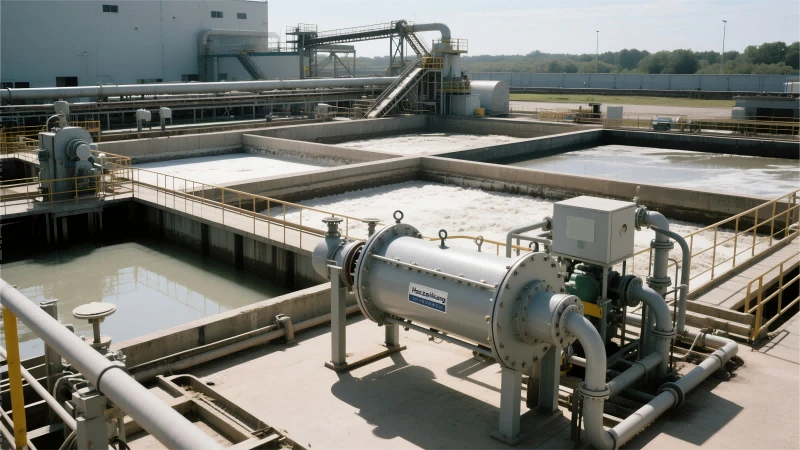
Understanding Hanzhikang's Self-Cleaning Filter Technology
Hanzhikang's reusable filters with self-cleaning capabilities are engineered to optimize filtration processes while minimizing downtime and resource consumption. Unlike disposable filters that require frequent replacement, these systems combine stainless steel mesh cartridges with automated cleaning mechanisms to ensure continuous operation. The self-cleaning feature eliminates the need for manual intervention, reducing labor costs and improving productivity.
The technology leverages differential pressure sensors to detect debris accumulation on the filter surface. When pressure thresholds are reached, the system initiates a cleaning cycle using reverse flow or mechanical scraping to dislodge particles, which are then flushed out through a drain valve. This ensures consistent filtration efficiency without interrupting the production line.
Key Components and Working Principles
Filter Media
Hanzhikang's filters use sintered stainless steel mesh (e.g., SUS304 or SUS316L) known for its durability and corrosion resistance. The mesh design allows for precise particle retention (ranging from 10 to 3000 microns), making it suitable for applications from coarse debris removal to fine filtration.
Self-Cleaning Mechanism
Reverse Flow Cleaning: Pressurized clean water or air is directed backward through the filter media to dislodge trapped particles. This method is effective for removing loose debris.
Mechanical Scraping: A motor-driven brush or blade system physically scrubs the filter surface, ideal for stubborn contaminants like oils or sticky residues.
Ultrasonic Cleaning: Optional ultrasonic modules (e.g., 40kHz frequency) can be integrated to enhance particle detachment, particularly for micro-scale impurities.
The filters are equipped with a PLC-based control panel that allows users to set cleaning triggers (pressure differential, time intervals, or manual override). Real-time data monitoring via Hanzhikang's Heyuan TMS platform enables remote diagnostics and predictive maintenance.
Cost Savings and Operational Efficiency
Reduced Replacement Costs
By eliminating disposable filters, Hanzhikang's reusable systems cut material costs by 60–80% over traditional methods. For example, a manufacturing plant using 100 disposable filters monthly could save over $12,000 annually by switching to Hanzhikang's solution.
Energy and Water Conservation
The self-cleaning process consumes minimal energy (typically <1kW per cycle) and recycles cleaning water through a closed-loop system. This reduces water usage by 30–50% compared to traditional backwashing methods.
Continuous operation without manual intervention ensures 99.9% uptime, critical for industries like pharmaceuticals and food processing where production interruptions can lead to significant losses.
Environmental Advantages
Waste Reduction: Eliminating disposable filters reduces plastic and metal waste by tons per year, aligning with circular economy principles.
Carbon Footprint: Energy-efficient operation and reduced material consumption lower CO₂ emissions. For instance, a chemical plant using Hanzhikang's filters could reduce its annual carbon footprint by 15–20 metric tons.
Compliance: The systems meet international standards (e.g., ISO 9001, ISO 14001) and local regulations, including China's Solid Waste Pollution Prevention Law.
Applications Across Industries
Water Treatment
Municipal Sewage: Removes suspended solids (e.g., silt, organic matter) to meet discharge standards.
Industrial Cooling Systems: Prevents heat exchanger fouling in power plants and manufacturing facilities.
Breweries: Filters yeast and hop residues from beer production lines.
Dairy Processing: Removes milk fat and protein aggregates in pasteurization systems.
Acid/Alkali Filtration: Handles corrosive fluids in chemical reactors.
Lubricant Recycling: Cleans used oils for reuse in machinery.
Sterile Filtration: Ensures particle-free solutions for drug formulations.
Biotech: Separates cell cultures and fermentation byproducts.
Case Studies: Real-World Performance
Case 1: Textile Dyeing Plant
A textile mill in Zhejiang faced frequent filter clogs due to dye particles, leading to daily downtime. After installing Hanzhikang's self-cleaning filters:
Results:
Filter replacement costs reduced by 75%.
Downtime eliminated, increasing production output by 12%.
Water consumption cut by 40% through closed-loop cleaning.
Case 2: Automotive Parts Manufacturer
An automotive plant struggled with oil contamination in its machining coolant. Hanzhikang's filters with ultrasonic cleaning:
Results:
Coolant lifespan extended from 3 months to 1 year.
Waste oil disposal costs reduced by $8,000 annually.
Tool wear decreased, improving product quality.
Technical Specifications and Customization
| Parameter | Range |
|---|---|
| Filtration Accuracy | 10–3000 microns |
| Operating Pressure | 0.1–1.6 MPa |
| Temperature Range | -20°C to 120°C |
| Material Options | SUS304, SUS316L, PTFE-lined |
| Flow Rate | 1–1000 m³/h |
Hanzhikang offers custom designs for specific applications, including:
Explosion-Proof Models: For hazardous environments (ATEX-certified).
High-Temperature Filters: Up to 300°C for thermal processes.
Modular Systems: Scalable configurations for large-scale operations.
FAQ (Frequently Asked Questions)
1.How often do the filters need manual cleaning?
The self-cleaning system handles most debris, but periodic inspection (e.g., quarterly) is recommended. Heavy contamination may require annual deep cleaning.
2.Can the filters handle viscous fluids?
Yes. Hanzhikang's stainless steel pleated filters are designed for high-viscosity applications like adhesives and resins.
3.What is the lifespan of the filter media?
With proper maintenance, the stainless steel mesh can last 5–10 years, far longer than disposable alternatives.
4.Is technical support available?
Hanzhikang provides 24/7 technical support, including on-site installation, training, and remote troubleshooting via its IoT platform.
5.How does the self-cleaning system affect filtration efficiency?
The cleaning cycle takes <30 seconds and operates without interrupting flow, ensuring consistent performance.
Conclusion
Hanzhikang's cost-saving reusable filters with self-cleaning systems represent a paradigm shift in industrial filtration. By combining advanced materials, automated cleaning, and energy-efficient design, the company delivers solutions that enhance operational efficiency, reduce environmental impact, and lower long-term costs. Whether applied in water treatment, manufacturing, or pharmaceuticals, these filters empower businesses to achieve sustainability goals while maintaining productivity.
For customized solutions or technical consultation,visit https://www.hzkfilter.com/.