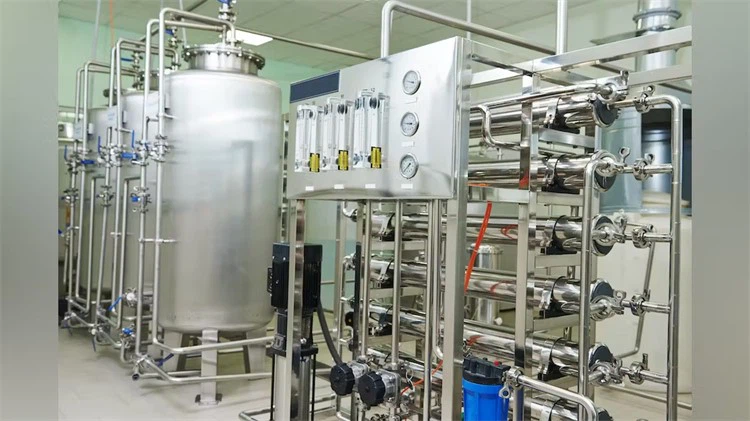
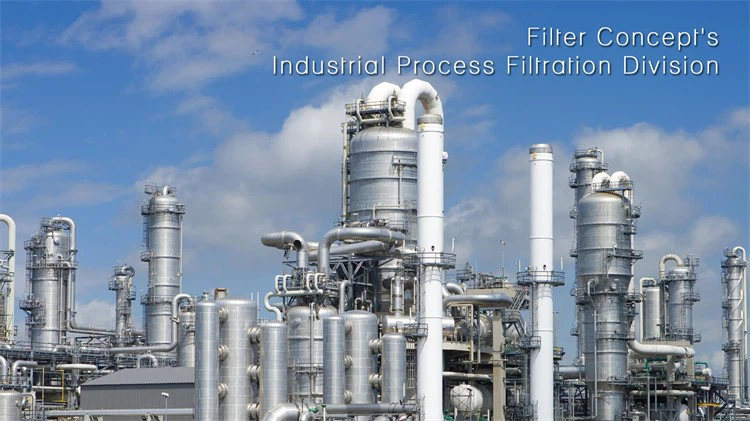
1.Mining: Mining refers to the activity of extracting valuable minerals or other geological materials from the ground or the surface. In the mining process, filter elements and filters are required to remove suspended particles, sediments, heavy metals, organic matter and other pollutants in the water to ensure clean and safe water quality. Filtration elements and filters can also be used to recycle and utilize water resources to reduce water consumption and discharge. For example, candle filter 1 can be used for solid-liquid separation in the mining industry, such as tailings dehydration, concentrate clarification, etc.
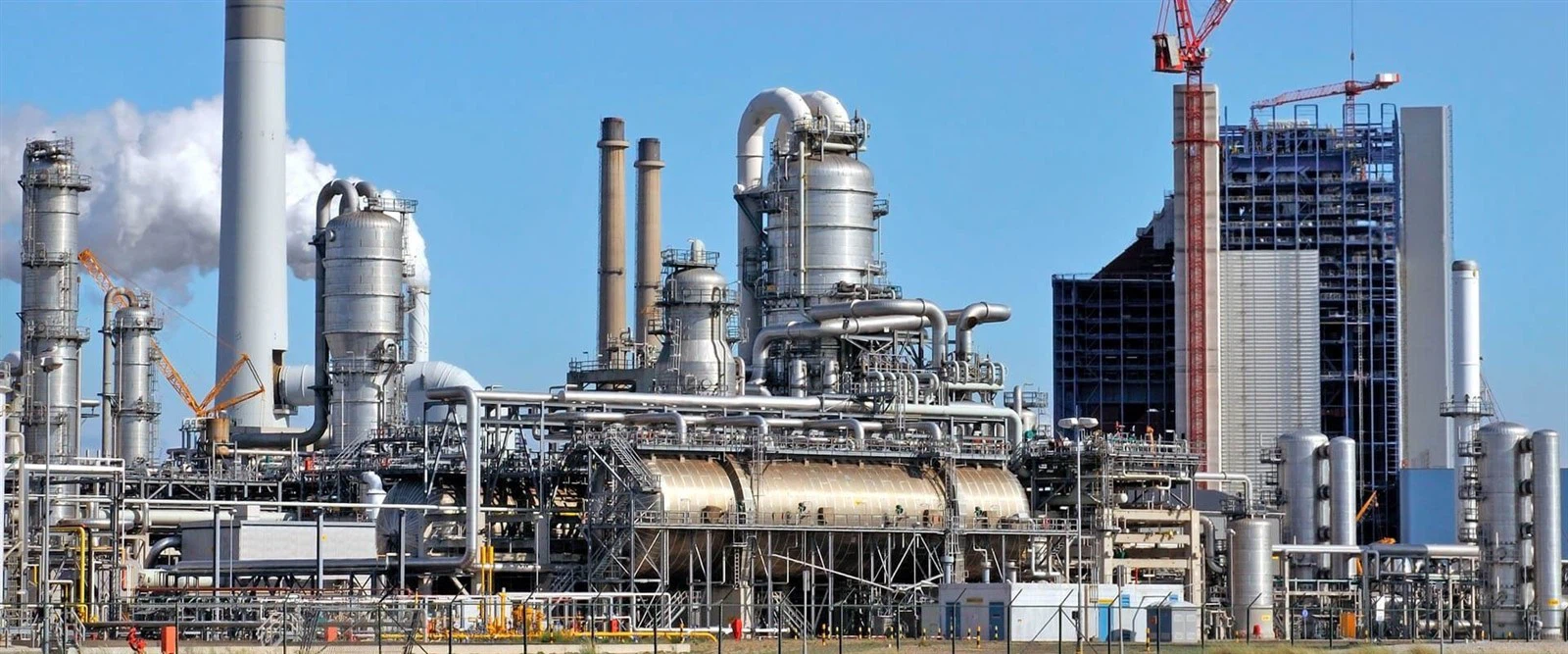
2.Ferrous metallurgy: Ferrous metallurgy refers to the industry that uses iron as the main raw material to produce steel and its alloys. In the process of ferrous metallurgy, filter elements and filters are required to remove impurities such as rust, grease, oxides, etc. in water, so as to ensure the purity and stability of water quality. Filtration cartridges and filters can also be used to recycle and reuse water to reduce costs and environmental impact. For example, the safety filter 1 can be used for pre-filtration in the ferrous metallurgical industry, such as cooling water, circulating water, spraying water, etc.
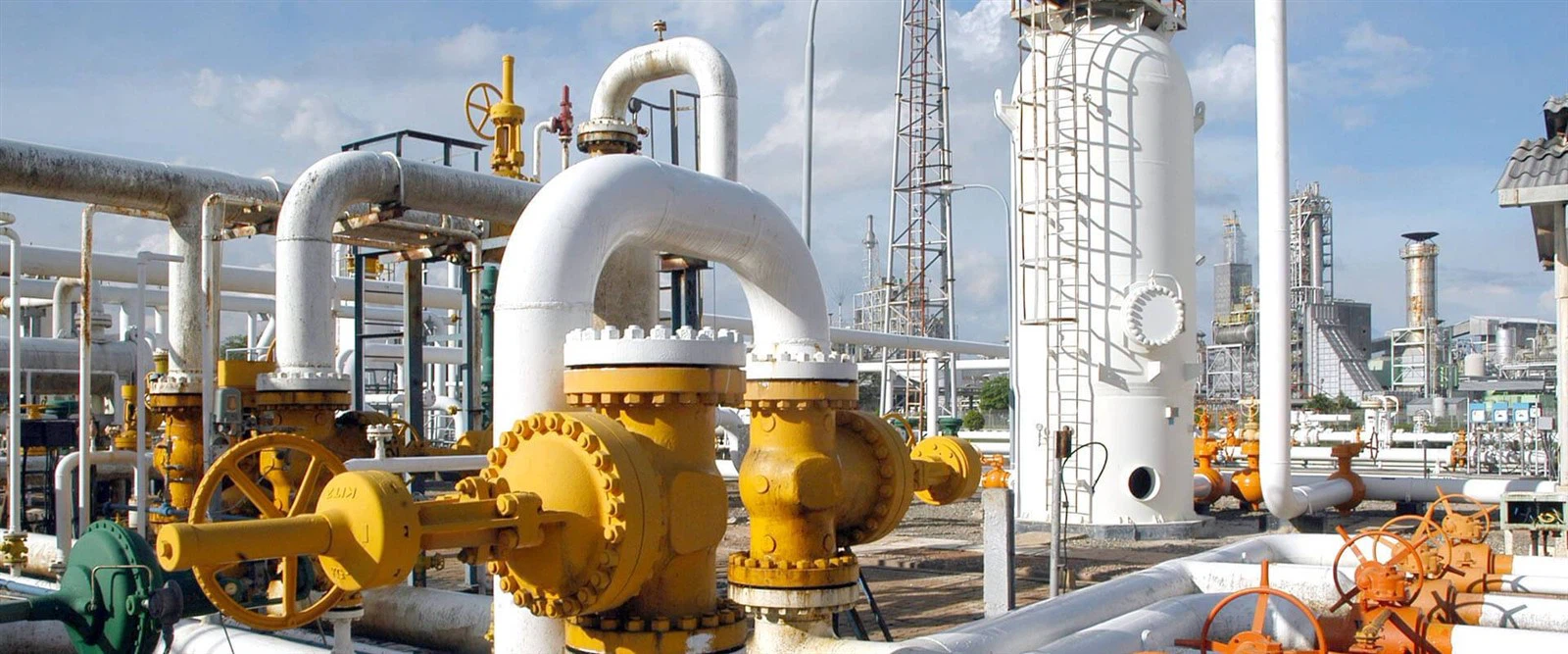
3.Chemical industry: Chemical industry refers to the industry that uses chemical reactions or physical changes to transform raw materials into products with specific properties and uses. Filter elements and filters are used in chemical processes to remove particles, impurities, pollutants or chemicals from liquids or gases to ensure product quality and safety. Filtration elements and filters can also be used to increase productivity and save energy. For example, the membrane filter 1 can be used for precision filtration in the chemical industry, such as solvents, acids and bases, catalysts, etc.
4.Thermal power plant: A thermal power plant refers to a facility that uses the heat generated by the combustion of fuel (such as coal, oil, natural gas, etc.) to drive a steam turbine to turn a generator to generate electricity. Thermal power plants need to use filter elements and filters to remove hardness ions, organic matter, microorganisms and other pollutants in water to ensure the purity and qualification of boiler water. Filtration elements and strainers can also be used to prevent boiler scaling, corrosion, clogging and other problems. For example, the deionized water filter 1 can be used for boiler make-up water treatment 2 of a thermal power plant.
Application of filtration equipment in industrial industries
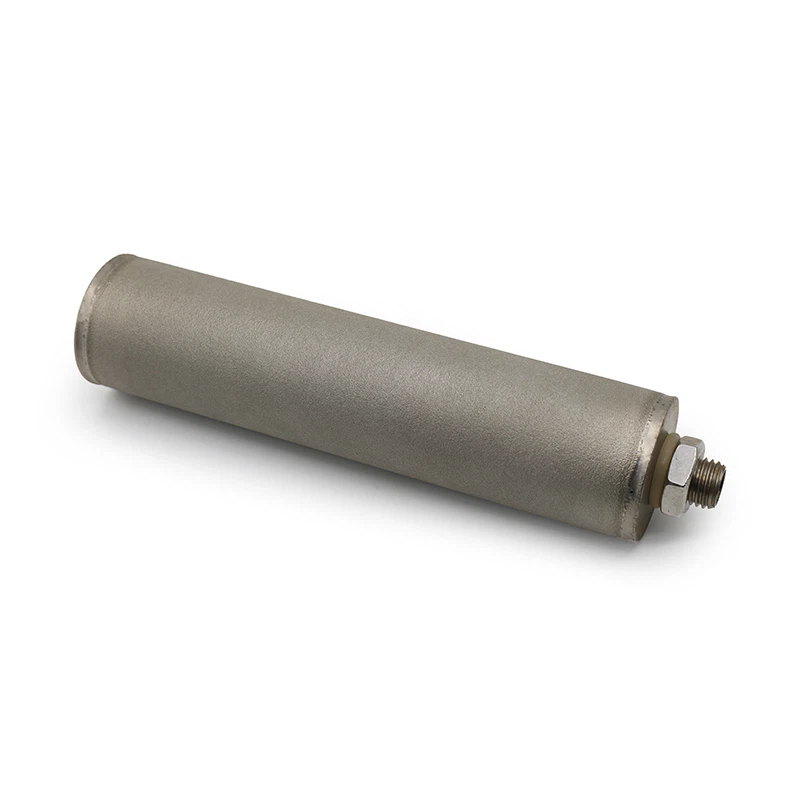
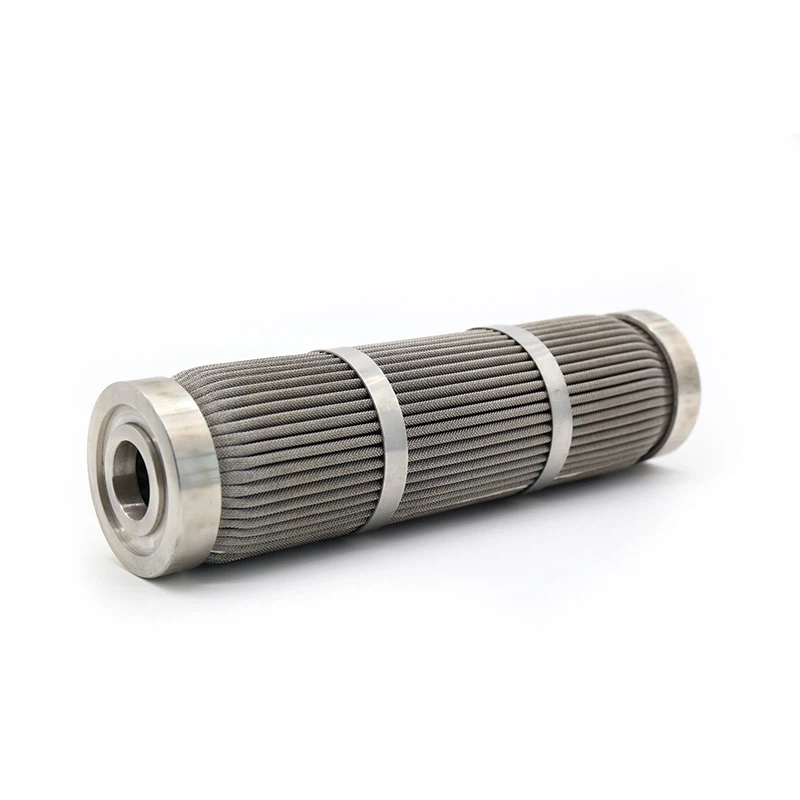
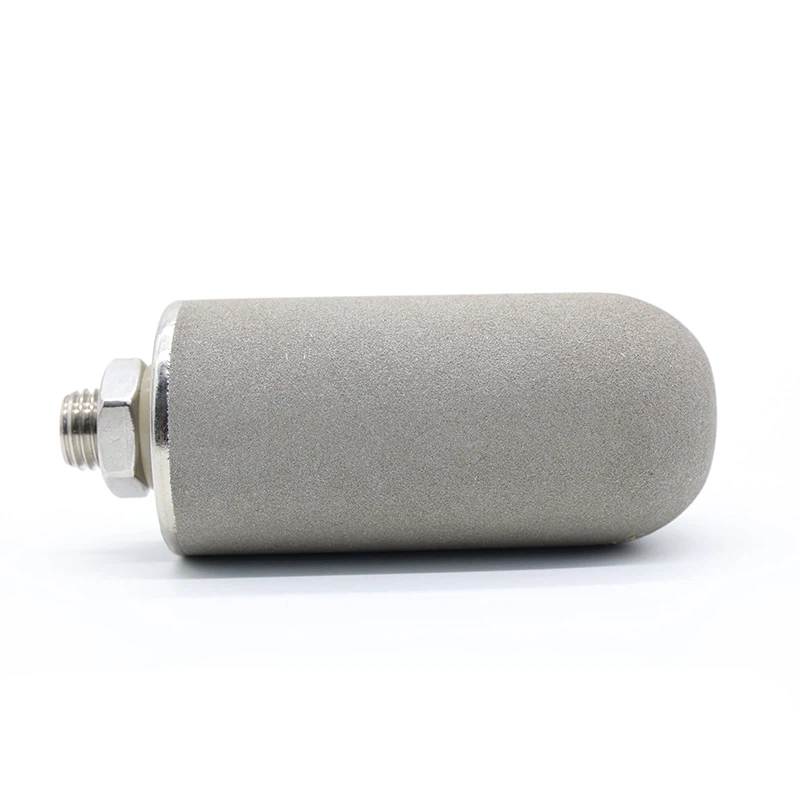
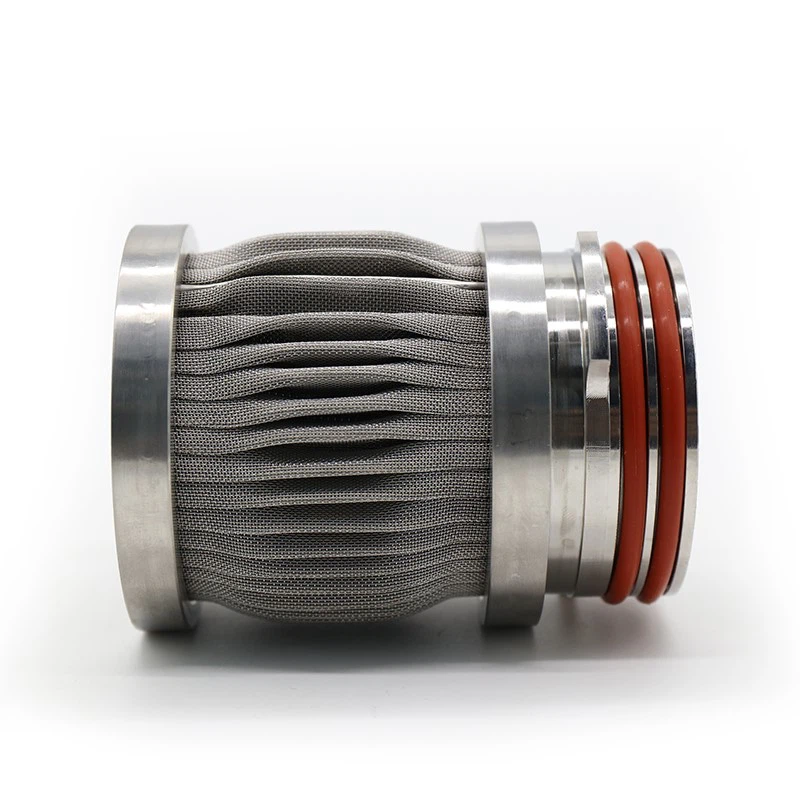
Filtration equipment plays a crucial role in various industrial sectors, ensuring the removal of impurities and maintaining product quality. Stainless steel filter elements, metal sintered filter elements, and stainless steel pleated filter elements are particularly important due to their unique properties and applications.
Stainless Steel Filter Elements: Known for their durability, corrosion resistance, and ability to withstand high temperatures, these filters are widely used in the petrochemical, pharmaceutical, and food and beverage industries. In petrochemical applications, they filter out particulates from oil and gas streams. In pharmaceuticals, they ensure product sterility by removing microorganisms. In the food and beverage sector, they maintain product purity and safety.
Metal Sintered Filter Elements: These are made by sintering metal powders, creating a porous structure that offers excellent filtration efficiency and strength. They are ideal for applications requiring high mechanical strength and chemical resistance, such as in chemical processing and water treatment. In chemical industries, they filter out fine particulates and withstand harsh chemical environments. In water treatment, they help in removing contaminants and ensuring clean water production.
Stainless Steel Pleated Filter Elements: These filters provide a large surface area for filtration due to their pleated design, which enhances dirt-holding capacity and flow rates. They are commonly used in industries requiring high precision filtration and long service life, such as in power generation and hydraulic systems. In power plants, they filter out fine particles from lubricating oils and fuels, ensuring the smooth operation of machinery. In hydraulic systems, they maintain fluid cleanliness, preventing equipment wear and failure.
Basic concepts of industrial filters
An industrial filter is a device used to remove impurities or particles from fluids. Its main component is the filter element, which is a complex device used to capture pollutants in solid particles, liquids or gases. The design of the filter element is closely related to the working conditions of the filter, so the appropriate type and specification need to be selected according to the specific application scenario. Industrial filters usually use a variety of filtration mechanisms, such as screening, adsorption, centrifugation, etc., to ensure efficient filtration effects.
Type and material of filter element
There are many types of filter elements. According to their different materials and structures, they can be divided into fiber filter elements, ceramic filter elements, metal filter elements, etc. Fiber filter elements are usually made of fiber materials (such as polypropylene, glass fiber) and have high filtration efficiency and capture capacity; ceramic filter elements are based on ceramic materials and are suitable for filtration of high-temperature and corrosive fluids; and metal filter elements It has high corrosion resistance and high temperature resistance, and is suitable for filtration environments under harsh working conditions.
Application fields of industrial filters
Industrial filters are widely used in many industries, including chemical industry, petroleum, food and beverage, pharmaceutical, electronics and other fields. In the chemical industry, industrial filters are used to remove solid particles during the production process to ensure product quality; in the petroleum industry, filters are used in processes such as crude oil processing and oil refining; and in the food and beverage industry, industrial filters play a role in plays an important role in ensuring product hygiene and safety.
How the filter works
Industrial filters operate based on physical, chemical or mechanical methods to separate contaminants from fluids. Common filtration mechanisms include screening, adsorption, sedimentation, centrifugation, etc. Screening filters use a screen or membrane to intercept solid particles on the surface of the filter element; adsorption filters use adsorbents to adsorb dissolved substances in the fluid; and sedimentation and centrifugal filters separate solid particles from the fluid through gravity or centrifugal force.
Filter maintenance and care
In order to ensure the long-term stable operation of industrial filters, regular maintenance and upkeep is required. This includes cleaning the filter element, replacing the filter element, checking the sealing performance of the filter, etc. Regular maintenance can extend the service life of the filter and improve its filtration efficiency, while also reducing maintenance costs and production downtime.
Development Trend of Industrial Filters
With the continuous development of industrial technology, industrial filters are also constantly innovating and improving. In the future, industrial filters will pay more attention to energy conservation and emission reduction, intelligent control and environmentally friendly performance. For example, high-efficiency filters made of new nanomaterials and smart filters combined with Internet of Things technology to achieve remote monitoring and management will become the development trend of industrial filters in the future.