

At a time when environmental awareness is increasing and energy conservation and emission reduction have become key indicators for corporate development, the energy consumption of industrial dust removal equipment has attracted much attention. As a dust removal equipment widely used in the industrial field, the exploration of energy consumption reduction methods for Cartridge Dust Collector not only helps companies reduce operating costs, but also has great significance for achieving green and sustainable production.
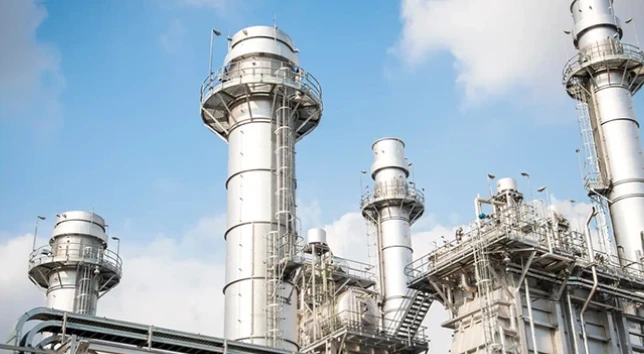
Analysis of the current energy consumption of cartridge dust collectors
During the operation of the cartridge dust collector, the fan, dust cleaning system and other components consume a lot of energy. According to industry statistics, the energy consumption of some traditional cartridge dust collectors even accounts for 10%-15% of the total energy consumption of the enterprise. Excessive energy consumption not only increases the electricity bill burden of the enterprise, but also goes against the current low-carbon production concept. Take a medium-sized metal processing company as an example. The monthly electricity bill for the cartridge dust collector it uses is as high as tens of thousands of yuan, and reducing energy consumption is imminent.
Technological innovation directions for reducing energy consumption
1. Optimize the fan system
As the power core of the cartridge dust collector, the fan has a huge space for energy consumption optimization. The use of high-efficiency and energy-saving fans, such as permanent magnet variable frequency fans, can adjust the speed in real time according to the actual working conditions, avoiding the energy waste caused by the fixed speed of traditional fans. When the dust concentration in the workshop is low, the fan automatically reduces the speed to reduce power consumption. Relevant data show that after the use of permanent magnet variable frequency fans, the fan energy consumption of the cartridge dust collector can be reduced by 20%-30%. In addition, optimizing the design of the fan impeller and improving its aerodynamic performance can also reduce energy consumption to a certain extent.
2. Improve cleaning technology
The cleaning system works frequently in the cartridge dust collector, and its energy consumption cannot be ignored. The traditional pulse cleaning method has problems such as excessive injection pressure and long cleaning time. New low-pressure cleaning technologies are gradually emerging. For example, the patented filter cleaning structure of Zhejiang Hongsheng New Materials Technology Group Co., Ltd. uses a special flow guide device design to increase the contraction flow rate, reduce the pressure to form a negative pressure, and achieve low-pressure cleaning. This not only reduces the cleaning energy consumption, but also extends the service life of the filter cartridge. According to the company's test, the use of this low-pressure cleaning technology reduces the cleaning energy consumption by about 40%.
3. Applying intelligent control systems
With the help of the Internet of Things and automatic control technology, the filter cartridge dust collector is equipped with an intelligent control system. The dust concentration, equipment resistance and other parameters are monitored in real time through sensors. When the dust concentration is low or the equipment resistance is within the normal range, the fan speed is automatically reduced and the cleaning frequency is reduced. For example, after a chemical company installed an intelligent control system, the overall energy consumption of the filter cartridge dust collector was reduced by more than 15%. The intelligent control system can also detect abnormal equipment operation in time, warn maintenance in advance, and avoid additional energy consumption caused by equipment failure.
Case studies of successful energy reduction by enterprises
1. A machinery manufacturing company
The company has comprehensively upgraded and renovated the filter cartridge dust collector, using high-efficiency energy-saving fans and intelligent control systems. In terms of fans, a new two-stage compression centrifugal fan was selected to improve fan efficiency. At the same time, the intelligent control system accurately adjusts the fan speed and cleaning cycle according to the production conditions of the workshop at different times. After the renovation, the energy consumption of the company's filter cartridge dust collector has been reduced by 35% compared with before, saving hundreds of thousands of yuan in electricity bills each year.
2. A building materials production plant
The amount of dust generated during the production of building materials is large and the concentration is high. The plant introduced a filter cartridge dust collector with low-pressure cleaning technology and optimized the design of the air duct to reduce airflow resistance. Through these measures, not only the dust removal efficiency is improved, but also the energy consumption is greatly reduced. According to statistics, the energy consumption of the modified filter cartridge dust collector has been reduced by 28%, which has achieved significant energy-saving benefits while ensuring the production environment.
Industry outlook and suggestions
With the continuous advancement of technology, cartridge dust collectors will achieve greater breakthroughs in reducing energy consumption in the future. Enterprises should pay close attention to industry trends and actively adopt new technologies and equipment. At the same time, the government and industry associations should strengthen guidance, formulate relevant energy consumption standards and incentive policies, and promote the development of cartridge dust collectors in the direction of high efficiency and energy saving. For example, certain tax incentives or subsidies are given to enterprises that use energy-saving cartridge dust collectors to promote enterprises to accelerate the pace of equipment upgrading and transformation.
Reducing Cartridge Dust Collector energy consumption is an important measure to achieve energy conservation, emission reduction and green development in the industrial field. Through technological innovation, intelligent control and reference to successful case experience, enterprises are expected to effectively reduce energy consumption while ensuring dust removal effects, and achieve a win-win situation of economic and environmental benefits.