

In water purifiers, car engines, industrial equipment and even masks, filter elements are core components. Some people think it is a "safety barrier" that can filter impurities and protect equipment; others think it is a "consumables trap" with high replacement costs and questionable effectiveness. This seemingly simple porous material actually involves professional knowledge such as materials science, fluid mechanics, and filtration accuracy. This article will analyze the true value of filter elements from the dimensions of functional essence, core technology, application scenarios, selection logic, and controversial focus, combined with professional principles and popular cases, to help you judge "when to use it and how to use it well".
Table of Contents
1. The essence of filter elements: How to define "filtration capacity"?
2. Full scan of application scenarios: Which fields cannot do without filter elements?
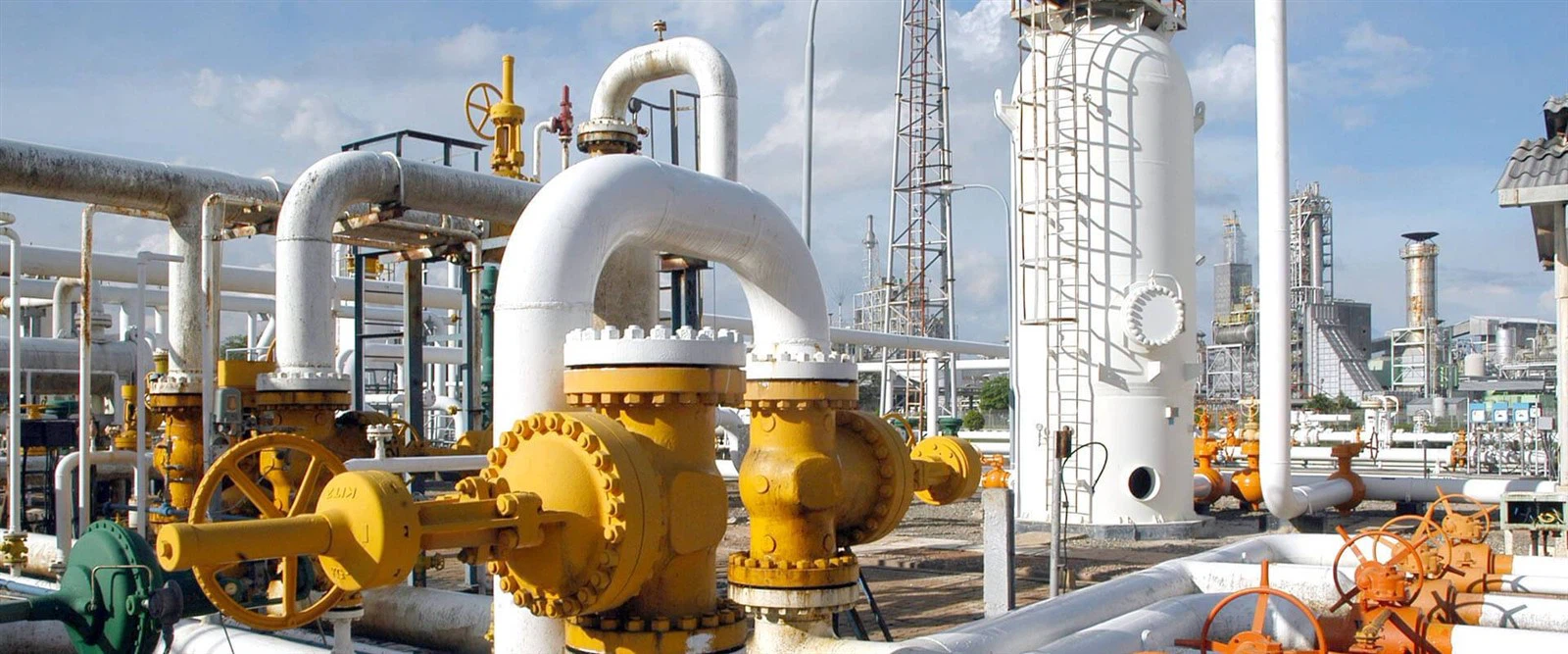
2.1 Industrial manufacturing: "heart protection" of hydraulic systems and air compressors
2.2 Car maintenance: the performance watershed of engine oil and air filters
2.3 Home scenarios: the truth about the effectiveness of water purifiers and air purifiers
2.4 Medical and scientific research: the rigid demand for ultra-pure water quality and sterile environment
3. A big bottom line of core technology: What are the key indicators of a good filter element?
4. Selection and avoidance guide: How to choose the right filter element?
5. Controversy and challenges: Where are the "shortcomings" of the filter element?
6. Future trends: How can the filter element become more "smart"?
1. The essence of the filter element: How to define "filtration capacity"?
1.1 Filtration accuracy: from visible to nanometer level
The core performance indicator of the filter element is filtration accuracy, that is, the minimum particle size that can be intercepted, in microns (μm).
Coarse filtration (>50μm): intercepts visible impurities such as mud, rust, etc., commonly found in industrial pretreatment filters;
Fine filtration (1-50μm): captures colloids and suspended solids, such as automotive oil filters (usually 5-20μm);
Ultra-fine filtration (<1μm): targets bacteria (0.5-5μm) and viruses (20-300nm), such as medical water filters;
Nano-level filtration (<100nm): separates molecular substances, such as reverse osmosis (RO) membrane filters (precision 0.0001μm).
Case: A certain brand of water purifier advertises "0.01μm filtration", which actually refers to ultrafiltration membrane (UF), which can remove bacteria but cannot filter heavy metal ions. RO membrane (0.0001μm) is required to truly remove heavy metals.
1.2 Triple core functions: more than just "interception"
Mechanical interception: sieve impurities by aperture, such as the fiber network structure of PP melt-blown filter element;
Adsorption purification: use the porous structure of activated carbon and molecular sieve to adsorb organic matter and odor, such as the activated carbon layer of air filter element;
Catalytic reaction: some filter elements contain catalytic materials (such as nano titanium dioxide), which can decompose pollutants, such as automobile exhaust treatment filter elements.
Professional analysis: In addition to intercepting metal particles, the anti-wear coating on the inner wall of the hydraulic system filter element can also reduce component friction and extend the life of the equipment.
1.3 Comparison of mainstream materials: "best partners" in different scenarios
2. Full scan of application scenarios: Which fields cannot do without filter elements?
2.1 Industrial manufacturing: "Guardian" of stable operation of equipment
Hydraulic system filter element: filter metal debris and colloids in hydraulic oil to prevent valve core from getting stuck. A steel plant failed to replace the hydraulic filter element in time, resulting in a failure of the rolling mill hydraulic system, with a single-day loss of more than 2 million yuan.
Air compressor filter: removes oil mist and water vapor in compressed air to protect pneumatic tools. If the air compressor filter fails in a precision electronics factory, it may cause the circuit board to be damp and short-circuited.
Lubricating oil filter: For every 10,000 kilometers of running of the car engine, the concentration of metal abrasive particles in the engine oil increases by 30%. High-quality filter elements can control the particles below 5μm and reduce cylinder wear.
2.2 Car maintenance: small filter elements determine great performance
Air filter: Filter the air entering the engine. Poor-quality filter elements (such as filter paper with too large pores) will allow dust to enter the cylinder, resulting in an increase in fuel consumption of 5%-10% and a decrease in power.
Fuel filter: Diesel fuel filter elements need to filter particles larger than 0.5μm, otherwise the injector will be blocked and the maintenance cost will be as high as thousands of yuan.
Air conditioning filter: If the car air conditioning filter element uses activated carbon + HEPA material, it can remove more than 90% of PM2.5, but ordinary non-woven filter elements can only block large particles such as hair.
2.3 Home use scenario: the "real gap" between effect and publicity
Water purifier filter:
PP cotton filter (first stage): intercepts large particles, low cost but needs to be replaced monthly;
Activated carbon filter: removes residual chlorine and odor, but cannot filter heavy metals;
RO reverse osmosis membrane: truly removes scale and heavy metals, but the wastewater ratio (1:3) and replacement cost (about 1,000 yuan/set) are controversial points.
Measured data: A certain evaluation agency found that the domestic filter element marked as "no need to change for three years" actually decreased in filtration efficiency by 40% after one year.
Air purifier filter element: HEPA filter element (filtering efficiency of 0.3μm particles ≥99.97%) is the core, but it is necessary to pay attention to the balance between CADR value (clean air output rate) and filter element life. Low-priced models often use short-life filter elements, which have higher long-term use costs.
2.4 Medical and scientific research: precision determines safety
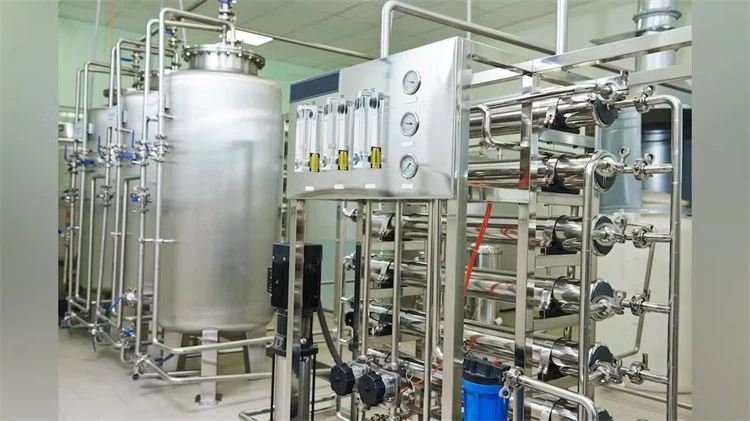
Ultrapure water filter: ultrapure water used in laboratories needs to remove ions and organic matter, and uses mixed bed resin + ultrafiltration membrane with a precision of 0.02μm to ensure no interference in chromatographic analysis.
Sterile filter: medium filtration in pharmaceutical production needs to pass through a 0.22μm sterilization grade filter to prevent microbial contamination and meet FDA sterility standards.
3.Core technology: What are the key indicators of a good filter?
3.1 Pore size distribution: microstructure determines filtration efficiency
The filtration capacity of the filter element is not determined by a single pore size, but by the uniformity of pore size distribution. For example, high-quality PP melt-blown filter elements use gradient spinning technology, with outer coarse pores (50μm) intercepting large particles and inner pores (5μm) capturing tiny impurities, forming a "progressive filtration". However, the pore size of inferior filter elements is uneven, which can easily lead to a "short-circuit effect" - impurities pass directly through the large pores.
3.2 Dirt Capacity: Balance between Life and Cost-Effectiveness
The dirt capacity refers to the total amount of impurities that the filter element can hold, in g/㎡. The replacement cycle of high dirt capacity filter elements is longer, but the initial filtration efficiency may be sacrificed. For example, a certain brand of oil filter element increases the dirt capacity by 30% by increasing the pleat density (from 50 folds to 80 folds), but the pressure drop (resistance) increases by 15%, and a trade-off needs to be made between engine energy consumption and filter element life.
3.3 Pressure Drop Characteristics: The Conflict between Energy Consumption and Performance
During the use of the filter element, impurities block the pores, which will cause the pressure drop to increase and increase the energy consumption of the system. High-quality filter elements optimize the fiber arrangement (such as electrostatic electret technology) to reduce the pressure drop by 20% compared with ordinary filter elements at the same filtration efficiency. In industrial scenarios, for every 10kPa increase in pressure drop, the energy consumption of the air compressor increases by 3%, and the long-term operating cost increases significantly.
3.4 Anti-pollution ability: Analysis of self-cleaning technology
Backwash filter element: Industrial metal sintered filter element can be flushed with reverse water flow to restore more than 80% of the filtration performance and reduce the frequency of replacement;
Surface modification: The inner wall of the medical-grade filter element is coated with a super-hydrophilic coating to reduce protein adsorption and avoid biological contamination.
4.Selection and avoidance guide: How to choose the right filter element?
4.1 Clear "filtration target"
Impurity type: solid particles (accuracy first) vs organic matter (adsorption capacity first) vs ions (resin or RO membrane required);
Accuracy requirements: laboratory ultrapure water requires 0.0001μm, while the ultrafiltration membrane (0.01μm) of household water purifiers is sufficient to remove bacteria.
4.2 Matching working conditions
Temperature: The engine oil filter needs to withstand a high temperature of 150℃, and ordinary PP filter elements will melt at this temperature;
Pressure: High-pressure hydraulic systems (above 30MPa) require metal skeleton filter elements, and plastic filter elements are prone to rupture;
Flow rate: The central air conditioning air filter element needs to select the filter area according to the air volume (m³/h). Too small will result in excessive pressure drop.
4.3 Balancing cost and efficiency
Disposable vs. washable: Industrial large-flow filter elements (such as steel plant cooling water filter elements) mostly use washable metal mesh, and the cost of a single cleaning is only 1/5 of the replacement cost;
Cost-effectiveness formula: Comprehensively calculate "filter element price ÷ (filtration efficiency × life)" to avoid low-priced and low-quality products (such as a certain brand of air conditioning filter element, the price is only 1/3 of the brand, but the life is 50% shorter).
4.4 Interpretation of test report
ISO 19438 (hydraulic filter element standard): pay attention to the β value (such as β10=200 means 99.5% efficiency in filtering 10μm particles);
**NSF certification** (water purifier filter element): focus on whether it passes the 42 (taste) and 53 (health) standards to avoid "fake certification" products.
5.Controversy and Challenges: Where is the "shortcoming" of the filter element?
5.1 Risk of secondary pollution
After the activated carbon filter element is saturated with adsorption, if it is not replaced in time, it will release the adsorbed organic matter, resulting in water quality/air quality worse than unfiltered;
Some low-priced filter elements are bonded with glue, which releases harmful substances such as formaldehyde at high temperatures, such as the "odor door" incident of the car air conditioning filter element.
5.2 Replacement cost trap
The average annual replacement cost of high-end water purifier filter cartridges exceeds 2,000 yuan. Some brands make profits through the "low-priced machine + high-priced filter cartridge" model. Consumers need to calculate the full life cycle cost;
Automobile 4S stores often use the "over-maintenance" rhetoric, recommending that the oil filter cartridge be replaced every 5,000 kilometers, while the actual high-quality filter cartridge can support replacement at 10,000 kilometers (refer to the maintenance manual of the OEM).
5.3 Performance degradation problem
The actual life of the filter cartridge is greatly affected by the use environment: in the northern water hard area, the life of the water purifier RO membrane may be shortened from 2 years to 1 year;
In heavily polluted weather, the life of the air purifier filter cartridge is only 1/3 of the nominal life, and it needs to be equipped with an air quality sensor for real-time monitoring.
5.4 Environmental controversy
More than 1 billion discarded filter cartridges are produced worldwide each year, most of which contain plastic materials and are difficult to degrade;
Although washable filter cartridges reduce waste, the cleaning wastewater may contain high concentrations of pollutants and require supporting sewage treatment.
6.Future Trends: How Can Filters Become Smarter?
6.1 New Material Breakthrough
Graphene filter element: The pore size can be precisely controlled within 1nm, and the salt retention rate exceeds 99.9% when used for seawater desalination, and the energy consumption is reduced by 30%;
MOFs (metal organic framework): The specific surface area is 6000㎡/g, and the adsorption capacity is 10 times that of activated carbon, which can efficiently remove formaldehyde and heavy metals.
6.2 Intelligent Upgrade
Self-monitoring filter element: Integrated pressure sensor, real-time display of blockage degree, automatic push replacement reminder;
Adaptive filter element: Through shape memory alloy, the pore size is automatically adjusted according to the concentration of pollutants, and the pores are enlarged to reduce pressure drop under high load.
6.3 Green Manufacturing Practice
Degradable materials: Corn starch-based PP filter element has entered the trial stage and will decompose naturally within 6 months after being discarded;
Closed-loop recycling: A German company has achieved thermal regeneration of activated carbon filter elements, which have been reused 5 times and reduced 70% of waste.
Summary: The value of the filter element lies in "correct use"
The filter element is not a "universal magic weapon" or an "IQ tax". Its value depends on the scene matching and timeliness of maintenance:
The scene of use: high-precision equipment, drinking water treatment, medical environment, etc. The filter element is a rigid demand and products that meet the standards must be selected;
Scenarios for careful use: ordinary air purification (opening windows for ventilation is more effective), mild water pollution (pre-filter is sufficient), avoid over-reliance;
Key to use: regular replacement (refer to actual working conditions rather than nominal life), choose brands that have passed authoritative testing, and focus on long-term costs rather than initial prices.
In the industrial field, the filter element is the "first line of defense" for equipment reliability; in civilian scenarios, it is a healthy "filtration barrier". Only by understanding its technical principles and avoiding marketing traps can this "small part" really play a big role. After all, the quality of the filter element lies not only in the product itself, but also in whether it is used in the right place and has a good habit.