


Products Description
PES (Polyethersulfone) membrane filters are advanced filtration products known for their exceptional performance and versatile applications. These filters are characterized by their unique membrane material, which offers several advantages. Here's a description of PES membrane filters, their features, advantages, and applications:
Product Description:
PES membrane filters are constructed using a polyethersulfone membrane, which is a synthetic polymer material. This membrane contains a network of microscopic pores that allow for precise and efficient filtration of various liquids and gases. The material is highly resistant to chemical degradation and is thermally stable, making it suitable for a wide range of filtration applications.
Features and Advantages:
High Filtration Efficiency: PES membrane filters offer superior filtration efficiency, capable of capturing particles as small as 0.1 microns. This level of filtration is crucial in industries where product purity is paramount.
Broad Chemical Compatibility: PES is chemically resistant and compatible with a wide range of chemicals, acids, and bases, making it suitable for diverse applications.
Hydrophilic Nature: PES membranes are hydrophilic, meaning they readily wet and allow for high flow rates, making them ideal for aqueous solutions.
Low Protein Binding: PES filters have minimal protein binding properties, making them well-suited for applications in the pharmaceutical and biotechnology industries.
Thermal Stability: PES membranes can withstand high temperatures, which allows for sterilization through methods such as autoclaving or steam sterilization, important in critical applications.
Excellent Flow Rates: PES membrane filters provide high flow rates, ensuring efficient and rapid filtration processes.
Biological Inertness: The membrane's biological inertness makes it suitable for applications in healthcare, diagnostics, and biopharmaceuticals.
Applications:
Pharmaceutical and Biotechnology: PES membrane filters are widely used in the pharmaceutical and biotechnology industries for applications such as sterilizing drugs, vaccines, and critical bioprocesses.
Food and Beverage: In the food and beverage industry, PES filters are employed for the removal of contaminants, microorganisms, and clarification of products, enhancing product safety and quality.
Microelectronics: PES filters are used for ultrapure water filtration in semiconductor and microelectronics manufacturing, ensuring a contaminant-free environment.
Water Treatment: They find applications in water treatment processes, removing particles, microorganisms, and impurities to provide safe and clean drinking water.
Environmental Monitoring: They are utilized in environmental monitoring for air and water quality testing.
Laboratory Research: They are common in laboratory research settings, facilitating the filtration of culture media, buffers, and sample preparations.
Biomedical and Clinical: PES filters are used in diagnostic devices, clinical laboratories, and medical equipment to ensure reliable results and patient safety.
Products Pictures
It is a type of hydrophilic filter that is suitable for filtering aqueous and some organic solvents in various environments. It has the following advantages:
- It has low protein binding, low extractability, high flow rate, and good strength.
- It does not adsorb proteins or extracts, and does not contaminate the sample.
- It can filter solutions with high pH and high temperature.
- It can use different filter media according to different applications.
It is made of polyethersulfone (PES), a material that is resistant to a broad range of chemicals and temperatures. It has the following advantages:
- It is durable and easy to handle.
- It has lot-to-lot consistency and uniform pore structure.
- It is compliant for food contact under the applicable regulations.
- It rarely requires cleaning.


Products application
Filtration of Traditional Chinese Medicine Injections: PES capsule filters play a key role in the production of traditional Chinese medicine injections, helping to clarify and sterilize the herbal solutions. This ensures that the final products meet stringent quality and safety standards.
Filtration of Biological Products and Vaccines: Biological products and vaccines necessitate the utmost purity and sterility. PES capsule filters are employed to remove potential contaminants and ensure the final products are safe and effective for human or animal use.
Refinement and Filtration of High-Purity Chemical Reagents: In chemical and research laboratories, high-purity chemical reagents are essential. PES capsule filters refine and filter these reagents, removing impurities and ensuring their suitability for precise experiments, analysis, and various chemical processes.
Terminal Filtration of Semiconductor Wet Equipment: The semiconductor industry requires ultra-clean water and process chemicals for manufacturing integrated circuits. PES capsule filters serve as the terminal filtration step in semiconductor wet equipment, eliminating particles and microorganisms to maintain the high standards of cleanliness required for semiconductor fabrication.


Our factory
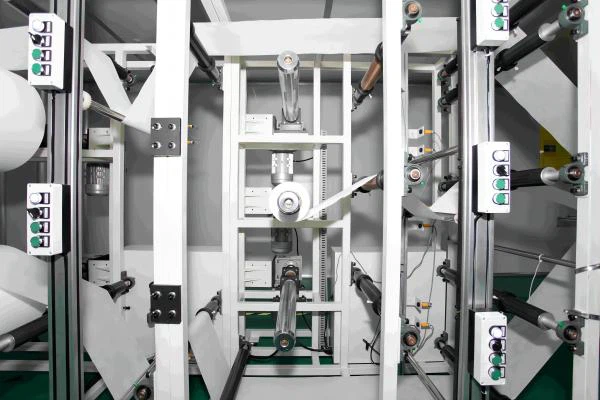
Efficient Production Processes: Our streamlined production processes minimize waste and optimize resource utilization, resulting in cost-effective production that benefits our customers.
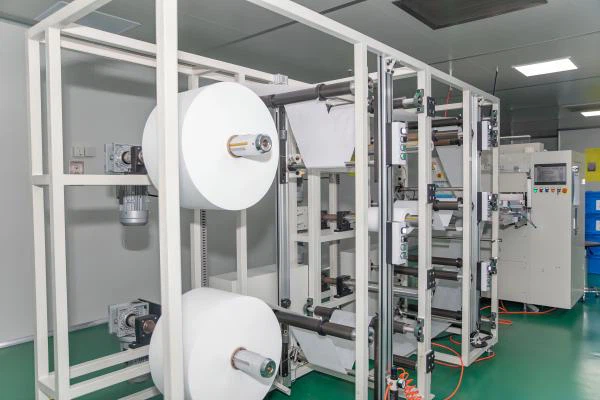
Quick Turnaround: We understand the importance of timely deliveries. Our factory line is organized to facilitate swift production and efficient order fulfillment, reducing lead times.

Research and Development: Continuous innovation and improvement are core principles in our company. Our factory line benefits from ongoing research and development efforts to enhance our products and processes.
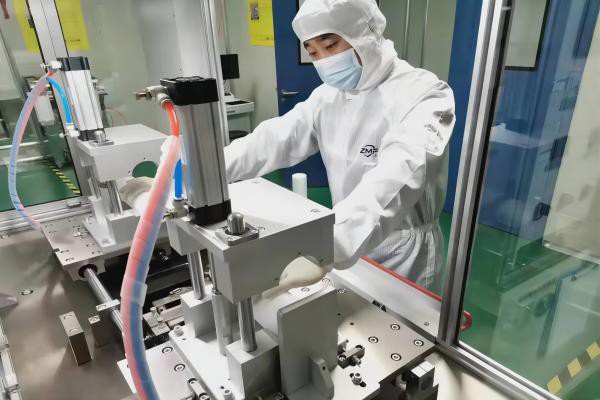
Environmental Responsibility: We are committed to sustainability. Our factory line incorporates eco-friendly practices and materials whenever possible, aligning with global efforts to reduce environmental impact.
FAQ:
Q1: What are PES membrane filters?
A: They are advanced filtration products made with a polyethersulfone membrane material.
Q2: What are the features of them?
A: They are highly resistant to chemical degradation and thermally stable, making them ideal for a wide range of filtration applications. They contain microscopic pores that allow for precise and efficient filtration of liquids and gases.
Q3: What are the advantages of them?
A: The advantages of them include their exceptional performance and versatility in various applications. They offer precise and efficient filtration, and their unique membrane material ensures long-lasting durability.
Q4: What applications are they used for?PES membrane filters are used for various applications that require filtering aqueous and some organic solvents. According to the web search results, some of the common applications are:
Blood glucose testing
Food, beverage, and pharmaceutical filtration
I.V. filters
Particulate removal
Serum cholesterol testing
Groundwater testing
Q5: How are they constructed?
PES (Polyethersulfone) membrane filters are constructed through a precise manufacturing process that involves the following key steps:
Polymer Selection: The first step is selecting high-quality PES polymer material. PES is known for its hydrophilic nature and chemical resistance, making it a suitable choice for membrane filters.
Membrane Formation: The selected PES polymer is dissolved or melted to create a liquid polymer solution or melt.
Membrane Casting: The liquid PES polymer is then cast onto a support material, typically a non-woven fabric or another type of membrane support. This creates a thin, uniform membrane layer.
Solidification: The cast PES layer is solidified through a controlled process. In the case of PES membrane filters, this can be achieved through non-solvent induced phase separation (NIPS) or other methods. During solidification, the polymer forms a matrix of pores of precise size and distribution, allowing for effective filtration.
Backing Material: Some filters may include a backing material to provide structural support and stability. This backing material can be made of various materials like polypropylene or polyester.
Pleating (Optional): In certain applications, it may be pleated to increase the filtration area and improve flow rates. Pleating is common in filter cartridges.
Cutting and Shaping: The membrane is cut into the desired shape and size, depending on the intended application. This may include circular discs, flat sheets, or other custom shapes.
Quality Control: Each PES filter is subjected to stringent quality control measures to ensure that it meets the specified requirements and standards. Quality testing may include integrity testing, pore size verification, and other performance checks.
Packaging: After passing quality control, they are packaged in a sterile or clean environment to maintain their integrity until they are ready for use.
The construction of PES membrane filters is a precise and controlled process, ensuring that the resulting filters are highly efficient and reliable in removing particles, microorganisms, and contaminants from liquids and gases in various industrial applications. The hydrophilic nature of PES makes these filters particularly suitable for aqueous solutions and applications that demand a high level of chemical resistance.
Hot Tags: pes membrane filter, China pes membrane filter manufacturers, suppliers, factory, precision pes filter cartridge, process filtration pes filter cartridge, filtration advantage tips pes filter cartridge, filter housing pes filter cartridge, filtration reusing tips pes filter cartridge, air filtration pes filter cartridge