


Products Description
An SS inline filter consists of a cylindrical body with an inlet and an outlet port, and a filter element inside the body. The filter element can be either sintered or pleated mesh, depending on the pore size and the filtration area required. Sintered elements are made of densely packed metal particles that trap fine particles in a matrix. Pleated mesh elements are made of woven metal wires that form a folded surface that offers a larger filtration area. The filter element can be replaced or cleaned when it becomes clogged or dirty.
An SS inline filter can be installed in a straight line with the fluid or gas flow, where space is limited. It can also have different end connections, such as tube fittings, NPT threads, or VCR face seal fittings, to match the piping system. An SS inline filter can protect individual valves or the entire hydraulic circuit from contamination, improve the fluid or gas quality and performance, and extend the life of the downstream components or system.
Some examples of SS inline filters are:
The filter that can remove particles as small as 0.5 microns in diameter from gas or liquid streams. It has a clear tube that shows the filtered fluid and the residue left behind. It can withstand pressures up to 6000 psig (413 bar) and temperatures up to 900°F (482°C).
MP Filtri High Pressure Stainless Steel Filters: These are filters that can operate in corrosive environments or aggressive fluids at pressures up to 1000 bar (14500 psi). They have a transparent bowl that shows the level of contamination and water in the fluid. They can also have bypass valves or differential pressure indicators to signal when the filter element needs to be changed.
SSP Inline Filters: These are filters that can remove particles from 1 to 200 microns in size from liquid and gas streams. They have Duolok®, Unilok®, Griplok® tube fittings, tube adapters, and TruFit® NPT pipe end connections. They can also have optional drain valves or bleed ports to facilitate cleaning and maintenance.
Products parameters
| Technical parameters: (can be customized according to needs): | ||||
| Filter material: polypropylene yarn, absorbent cotton thread, glass fiber | ||||
| Center rod material: polypropylene, 304 stainless steel, 316 stainless steel | ||||
| Filter outer diameter: 60mm, 36mm, 115mm | ||||
| Filter element inner diameter: 28mm, 30mm | ||||
| Filter length: 5”, 9.75”, 10”, 20”, 30” etc. | ||||
| Filtration precision: 1um, 3um, 5um, 10um, 30um, etc. |
Product Picture

Our factory
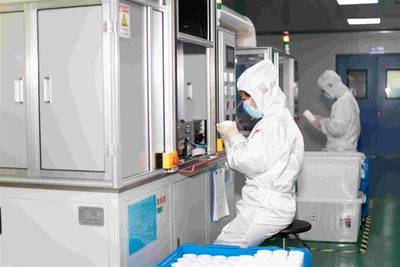
Workshop
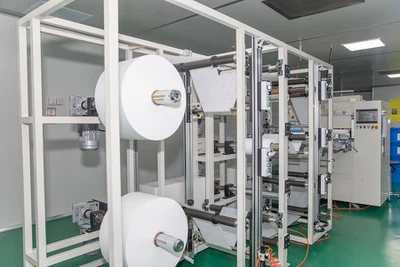
Product Line
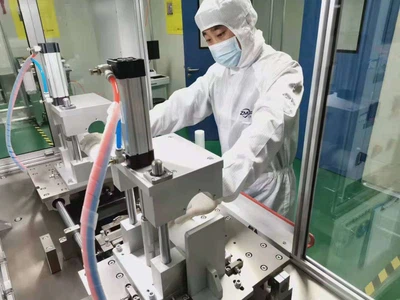
Product Line
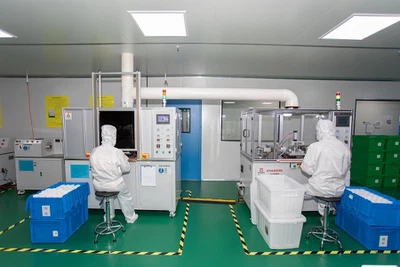
Workshop
FAQ:
1. What is the filtration efficiency of the SS inline filter, and how does it compare to other materials?
Answer: The filtration efficiency of an SS (stainless steel) inline filter is high, typically ranging from 90-99% depending on the filter's micron rating. Stainless steel provides excellent filtration performance and durability compared to other materials like plastic or brass, making it a popular choice for critical applications.
2. What micron sizes are available for SS inline filters, and how do I choose the right one for my specific application?
Answer: SS inline filters come in various micron ratings, usually ranging from 1 to 100 microns. The appropriate micron size depends on the particles you want to filter. Smaller micron sizes capture finer particles, while larger ones are suitable for coarse filtration. It's essential to match the micron size to your application's requirements.
3. Can the SS inline filter be used for high-temperature applications or corrosive environments?
Answer: Yes, stainless steel inline filters are designed to withstand high temperatures and resist corrosion, making them suitable for a wide range of industrial applications, including those involving aggressive chemicals or elevated temperatures.
4. What is the recommended maintenance schedule for SS inline filters, and how easy are they to clean or replace?
Answer: The maintenance frequency depends on usage and the level of contaminants in the fluid. Regular inspection and cleaning are recommended. Cleaning is typically easy, involving backwashing or chemical cleaning. Replacement intervals can vary based on the application, but manufacturers often provide guidelines for replacement.
5. How does the pressure drop across the SS inline filter impact my system's performance and energy consumption?
Answer: Pressure drop occurs as the fluid passes through the filter. A higher pressure drop can reduce system efficiency and increase energy consumption. SS inline filters are designed to minimize pressure drops, ensuring efficient filtration without compromising the system's performance.
6. Can the SS inline filter be customized to fit my specific system or application requirements?
Answer: Yes, SS inline filters can often be customized based on your specific needs, including size, micron rating, connection type, and other parameters. Consulting with the manufacturer or supplier can help tailor the filter to match your application requirements.
7. How does the flow rate of the SS inline filter affect its performance, and what should I consider when selecting the appropriate flow rate?
Answer: Flow rate is crucial for the filter's performance. A filter with a flow rate too high may not effectively capture contaminants, while too low a flow rate can cause clogging. Proper sizing and matching the flow rate to your system's needs are essential for optimal filtration and system performance.
8. Can the SS inline filter be used for potable water applications or food processing industries?
Answer: Yes, SS inline filters can be suitable for potable water applications and food processing industries. They are often designed to meet industry standards and regulations to ensure the safety and quality of the filtered water used in these applications.
9. Are there specific precautions or considerations I should take when installing or integrating the SS inline filter into my existing system?
Answer: Yes, proper installation and integration are crucial for optimal performance. Follow manufacturer guidelines, ensure correct orientation and flow direction, use appropriate gaskets or seals, and provide adequate support and anchoring to avoid stress on the filter housing.
10. What is the expected lifespan of an SS inline filter, and how can I monitor its performance over time?
Answer: The lifespan of an SS inline filter varies based on usage, fluid conditions, and maintenance. Monitoring pressure differentials, regular inspections, and following the manufacturer's recommended replacement intervals can help gauge the filter's performance and determine when a replacement is needed.
Hot Tags: ss inline filter, China ss inline filter manufacturers, suppliers, factory, Stainless Steel Sand Filter, Stainless Steel Filters, stainless steel air cartridge, Filter Air Stainless, 1 Micron Stainless Steel Filter, stainless steel replacement cartridge