


Products Description
The 0.35 Micron Water Filter is engineered with advanced materials to achieve precise filtration of water. Typically, these filters are crafted from high-quality materials such as polypropylene, ceramic, or activated carbon. Each material offers unique characteristics and benefits:
Polypropylene: Polypropylene filters are known for their high chemical resistance and durability. They are effective in removing sediment, dirt, and larger particles from water. However, they may not be suitable for capturing microorganisms due to their larger pore size.
Ceramic: Ceramic filters feature fine pores that can effectively trap bacteria, protozoa, and other microorganisms, providing microbiologically safe drinking water. They are durable and long-lasting, making them suitable for remote or off-grid water filtration systems.
Activated Carbon: Activated carbon filters are highly effective in removing organic contaminants, chlorine, odors, and improving the taste of water. They work through adsorption, where impurities are trapped in the porous structure of the carbon material.
Custom 0.35 Micron Water Filter


Our factory
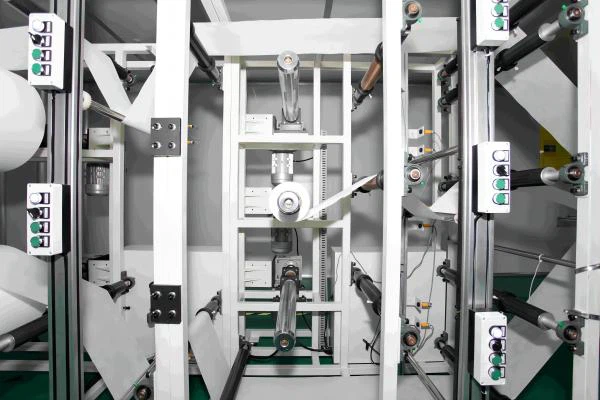
Efficient Production Processes: Our streamlined production processes minimize waste and optimize resource utilization, resulting in cost-effective production that benefits our customers.
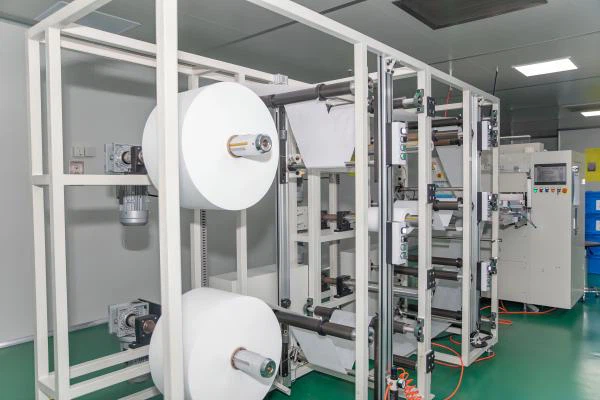
Quick Turnaround: We understand the importance of timely deliveries. Our factory line is organized to facilitate swift production and efficient order fulfillment, reducing lead times.

Research and Development: Continuous innovation and improvement are core principles in our company. Our factory line benefits from ongoing research and development efforts to enhance our products and processes.
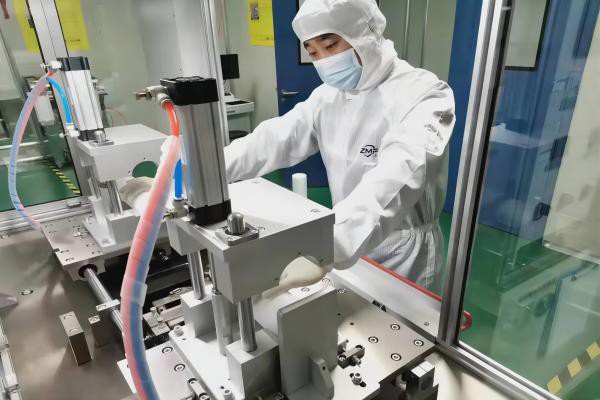
Environmental Responsibility: We are committed to sustainability. Our factory line incorporates eco-friendly practices and materials whenever possible, aligning with global efforts to reduce environmental impact.
FAQ:
What are the key advantages of using polypropylene filters in water filtration applications?
Polypropylene filters offer high chemical resistance and durability, making them effective in removing sediment, dirt, and larger particles from water. They are particularly suitable for applications where chemical resistance and mechanical strength are essential.
How do ceramic filters contribute to ensuring microbiologically safe drinking water?
Ceramic filters feature fine pores that can effectively trap bacteria, protozoa, and other microorganisms, providing microbiologically safe drinking water. Their ability to remove microorganisms makes them valuable in applications where waterborne pathogens are a concern.
What are the benefits of using activated carbon filters in water filtration systems?
Activated carbon filters are highly effective in removing organic contaminants, chlorine, odors, and improving the taste of water. They work through adsorption, where impurities are trapped in the porous structure of the carbon material. This helps enhance the overall quality and taste of drinking water.
In what situations would you recommend using polypropylene filters over ceramic or activated carbon filters?
Polypropylene filters are recommended for applications where high chemical resistance and durability are required, such as removing sediment and larger particles from water. They are suitable for industrial settings and situations where mechanical strength is paramount.
How do ceramic filters compare to polypropylene and activated carbon filters in terms of longevity and maintenance?
Ceramic filters are known for their durability and long-lasting performance, making them suitable for remote or off-grid water filtration systems. They require minimal maintenance and can be cleaned and reused multiple times, unlike disposable polypropylene or activated carbon filters.
What factors should be considered when selecting the most appropriate water filter material for a specific application?
When selecting a water filter material, factors such as filtration efficiency, pore size, chemical resistance, durability, and maintenance requirements should be considered. The specific contaminants present in the water and the desired water quality goals will also influence the choice of filter material.
Can activated carbon filters remove all types of contaminants from water?
Activated carbon filters are highly effective in removing organic contaminants, chlorine, and odors from water. However, they may not effectively remove certain inorganic contaminants or microorganisms. For comprehensive filtration, a combination of different filter materials may be required, depending on the water quality concerns.
Hot Tags: 0.35 micron water filter, China 0.35 micron water filter manufacturers, suppliers, factory, 5 Micron Water Filter Cartridge, premium liquid filter cartridge, Spun Filter Cartridge, air filter cartridge for liquid, heavy duty liquid filter cartridge, mini liquid filter cartridge