


Materials and Structure
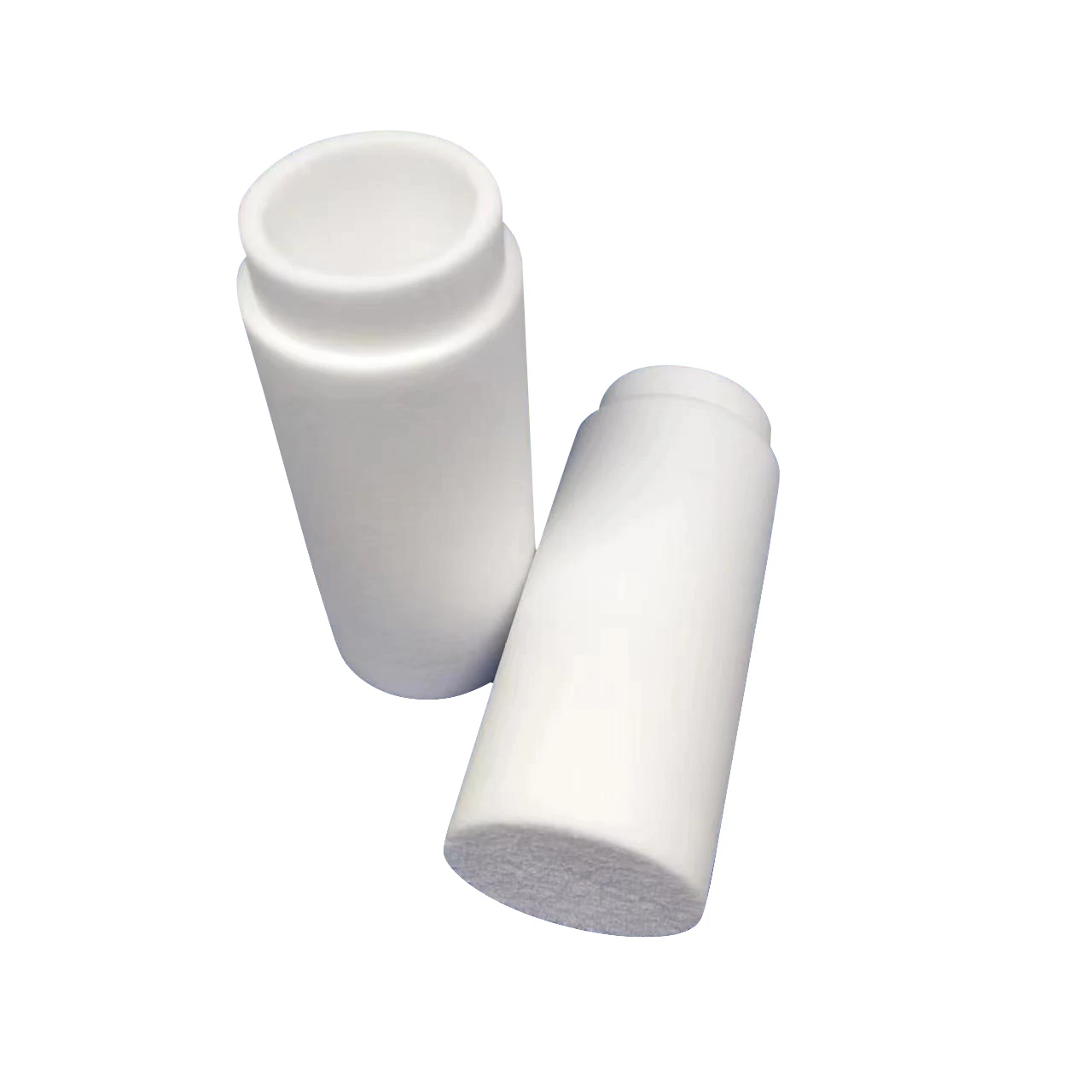
PE (Polyethylene) sintered elements are made of high-purity polyethylene powder through a sintering process. The sintering process fuses the polyethylene powder particles together at high temperature to form a solid material with a uniform microporous structure. The size and distribution of the micropores can be precisely adjusted by controlling the sintering process parameters to meet different filtration needs. This porous structure provides a large number of paths for the fluid to pass through during the filtration process.
Working Principle
The filtration principle of PE sintered elements is based on physical interception and surface adsorption. When the fluid passes through the element, the tiny particles are physically blocked by the pores on the surface of the filter material or adsorbed on the pore walls. Larger particles are intercepted first, and as the fluid flows further, smaller particles are gradually captured. In this way, after the fluid passes through the element, the particles and impurities are effectively removed, thereby achieving the purpose of purification.
Application Scope
They are widely used in multiple industries, including chemical, pharmaceutical, food and beverage, and water treatment. In the chemical industry, they are used to filter corrosive liquids and gases; in the pharmaceutical industry, they are used to prepare high-purity drugs; in the food and beverage industry, they are used to remove impurities that may be generated during the production process; in the water treatment industry, they are used to remove suspended particles and microorganisms in water. Its high corrosion resistance and high temperature stability make it perform well in these applications.
Maintenance and Care
The maintenance of sintered elements is very simple, and its filtering performance can usually be restored by backwashing or ultrasonic cleaning. Due to its material properties, the elements have a long service life and can be reused many times, reducing the frequency of replacement and operating costs. In daily use, regular inspection and cleaning can ensure its long-term efficient operation and maintain a stable filtering effect. Proper maintenance not only extends the service life of the elements, but also improves the reliability of the overall system.
Advantages of Sintered Elements
They offer several significant advantages, making them ideal for various industrial applications. Their porous structure, created through the sintering process, provides excellent filtration efficiency by capturing fine particles while allowing fluids to pass through smoothly. They boast superior chemical resistance, making them suitable for harsh environments and a wide range of applications, including water treatment and chemical processing. Additionally, their robust construction ensures durability and long service life, even under challenging operating conditions. The ability to customize these elements in terms of size, shape, and porosity levels further enhances their versatility and effectiveness in meeting specific filtration requirements.
one-stop
solution
professional
team
high
quality
1. What is a PE sintered element and its main advantages?
PE (polyethylene) sintered elements are filter elements made by sintering high-purity polyethylene powder at high temperatures. The sintering process fuses polyethylene particles together to form a solid material with a uniform microporous structure. This porous structure provides a large number of paths that allow fluids to pass smoothly while effectively intercepting and adsorbing impurities and particles. The main advantages of sintered elements include high strength, corrosion resistance, high temperature resistance, and high porosity. In addition, its microporous structure can be precisely controlled by adjusting the sintering parameters to meet different filtration needs. This gives sintered elements excellent performance and broad application prospects in a variety of harsh industrial environments.
2. What is the filtration principle of sintered elements?
The filtration principle of sintered elements is based on physical interception and surface adsorption. When the fluid passes through the element, larger particles are first physically blocked by the micropores on the surface of the filter material. As the fluid continues to flow, smaller particles are gradually captured and adsorbed on the pore walls. In this way, particles and impurities in the fluid are effectively removed after passing through the element, achieving fluid purification. The high efficiency and reliability of this filtration process make sintered elements very effective in applications requiring high-purity filtration, especially in industries such as chemical, pharmaceutical, and food and beverage.
3. In which industries are sintered elements widely used?
They are widely used in many industries such as chemical, pharmaceutical, food and beverage, and water treatment. In the chemical industry, they are used to filter corrosive liquids and gases to ensure product purity and equipment safety; in the pharmaceutical industry, they are used to prepare high-purity drugs to meet strict hygiene and safety standards; in the food and beverage industry, they are used to remove impurities that may be generated during the production process to ensure product quality and consumer health; in the water treatment industry, they are used to remove suspended particles and microorganisms in water to provide clean drinking water and industrial water. Its high corrosion resistance and high temperature stability make it perform well in these applications and ensure reliable filtration effects.
4. How to maintain and care for sintered elements?
The maintenance of sintered elements is very simple, and its filtration performance can usually be restored by backwashing or ultrasonic cleaning. Due to the characteristics of polyethylene materials, these elements have a long service life and can be reused many times, reducing the frequency of replacement and operating costs. In daily use, regular inspection and cleaning are necessary to ensure long-term efficient operation and stable filtering effect of the components. Proper maintenance can not only extend the service life of the components, but also improve the reliability of the overall system and reduce equipment failures and downtime. Therefore, regular maintenance and care are key measures to ensure the performance and life of PE sintered components.
Hot Tags: pe sintered element, China pe sintered element manufacturers, suppliers, factory