

High flow water filters are essential components in many industrial and commercial water treatment systems. They are designed to handle large volumes of water at high flow rates while effectively removing contaminants. As a supplier of high flow water filters, I often get asked about the materials used in their construction. In this blog post, I'll delve into the various materials that high flow water filters are made of, their properties, and how they contribute to the filter's performance.
Polypropylene
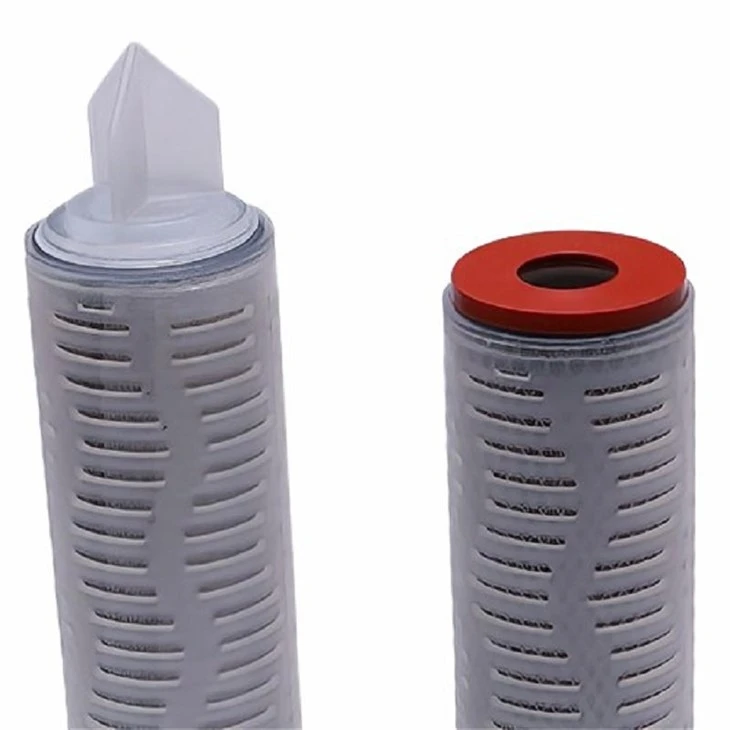
Polypropylene is one of the most commonly used materials in high flow water filters, especially in High Flow Pleated Cartridge and High Flow Pleated Filter Cartridge. It is a thermoplastic polymer known for its excellent chemical resistance, low cost, and high strength-to-weight ratio.
Chemical Resistance
Polypropylene can withstand a wide range of chemicals, including acids, bases, and solvents. This makes it suitable for use in water treatment applications where the water may contain various chemical contaminants. For example, in industrial wastewater treatment, polypropylene filters can effectively remove chemicals such as heavy metals, oils, and organic solvents without being damaged by the corrosive nature of the contaminants.
Physical Properties
Polypropylene has a relatively low density, which means that it is lightweight and easy to handle. It also has good mechanical strength, allowing it to maintain its shape and structure even under high pressure. This is crucial in high flow water filtration systems, where the filter cartridges need to withstand the force of the water flowing through them at high velocities.
Filtration Efficiency
Polypropylene filters can be manufactured with different pore sizes to achieve varying levels of filtration efficiency. The pleated design of high flow polypropylene cartridges increases the surface area available for filtration, allowing for a higher flow rate and better particle retention. Smaller pore sizes can capture finer particles, such as sediment, rust, and colloids, while larger pore sizes are more suitable for removing larger debris.
Glass Fiber
Glass fiber is another material commonly used in high flow water filters, particularly in applications where high filtration efficiency and temperature resistance are required.
High Filtration Efficiency
Glass fiber filters have a very fine pore structure, which enables them to capture extremely small particles. They are capable of removing particles as small as 0.1 microns, making them ideal for applications such as pharmaceutical manufacturing, semiconductor production, and food and beverage processing, where the water quality needs to be of the highest standard.
Temperature Resistance
Glass fiber can withstand high temperatures without losing its structural integrity or filtration performance. This makes it suitable for use in hot water systems or applications where the water is heated during the treatment process. For example, in some industrial processes, the water may be heated to remove certain contaminants, and glass fiber filters can maintain their effectiveness at elevated temperatures.
Compatibility
Glass fiber filters are generally compatible with a wide range of chemicals and can be used in both acidic and alkaline environments. However, they are more brittle than polypropylene filters and require careful handling to avoid damage.
Activated Carbon
Activated carbon is a porous material that is widely used in water filtration for its ability to adsorb organic compounds, chlorine, and other contaminants.

Adsorption Properties
Activated carbon has a large surface area, which provides numerous sites for adsorption. When water passes through an activated carbon filter, contaminants such as chlorine, pesticides, and volatile organic compounds (VOCs) are attracted to the surface of the carbon and are held there. This process effectively removes these contaminants from the water, improving its taste, odor, and overall quality.
Types of Activated Carbon
There are different types of activated carbon used in high flow water filters, including granular activated carbon (GAC) and powdered activated carbon (PAC). GAC is commonly used in filter cartridges, where the water flows through a bed of granular carbon. PAC, on the other hand, is often used in combination with other filtration media or in applications where a higher adsorption rate is required.
Regeneration
One of the advantages of activated carbon filters is that they can be regenerated. After a period of use, the carbon becomes saturated with contaminants and its adsorption capacity decreases. However, by heating the carbon to a high temperature in the absence of oxygen, the adsorbed contaminants can be removed, and the carbon can be reused.
Stainless Steel
Stainless steel is used in high flow water filters primarily for the filter housing and support structures.
Durability
Stainless steel is a strong and corrosion-resistant material that can withstand the harsh conditions in water treatment systems. It is resistant to rust, oxidation, and chemical attack, ensuring a long service life for the filter housing. This is particularly important in applications where the water contains high levels of minerals or chemicals that could otherwise corrode the housing.
Structural Support
The filter housing made of stainless steel provides structural support for the filter cartridges. It is designed to withstand the pressure of the water flowing through the system and to protect the cartridges from damage. The housing also allows for easy installation and replacement of the cartridges.
Hygiene
Stainless steel is a hygienic material that is easy to clean and maintain. It does not harbor bacteria or other microorganisms, making it suitable for use in applications where water quality and safety are of utmost importance, such as in the food and beverage industry and healthcare facilities.
Conclusion
In conclusion, high flow water filters are made of a variety of materials, each with its own unique properties and advantages. Polypropylene offers chemical resistance, low cost, and good mechanical strength; glass fiber provides high filtration efficiency and temperature resistance; activated carbon is excellent for adsorbing organic contaminants; and stainless steel ensures durability and structural support.
As a supplier of High Flow Filter, I understand the importance of using the right materials to meet the specific needs of different applications. Whether you are looking for a filter for industrial wastewater treatment, drinking water purification, or any other water treatment application, we have the expertise and products to provide you with the best solution.
If you are interested in learning more about our high flow water filters or would like to discuss your specific requirements, please feel free to contact us. We are committed to providing high-quality products and excellent customer service, and we look forward to the opportunity to work with you on your water filtration needs.
References
- AWWA (American Water Works Association). Water Quality and Treatment: A Handbook of Community Water Supplies.
- ASM International. Metals Handbook: Properties and Selection: Nonferrous Alloys and Pure Metals.
- EPA (Environmental Protection Agency). Drinking Water Regulations and Health Advisories.