

Hey there! As a supplier of water filter cartridges, I've seen firsthand how temperature can have a pretty big impact on these little guys. Let's dive into what happens to a water filter cartridge when the temperature changes.
How Temperature Affects Filtration Efficiency
First off, let's talk about filtration efficiency. You know, the main job of a water filter cartridge is to remove all those yucky contaminants from your water, like dirt, chemicals, and even some bacteria. Well, temperature can really mess with how well it does that job.
When it's cold outside, say below freezing or just a few degrees above, the water becomes more viscous. That means it's thicker and doesn't flow as easily. Think of honey on a cold day – it's all slow and sticky. The same thing happens to water in a filter cartridge. The slow - moving water has a harder time passing through the tiny pores in the filter. As a result, the filtration process slows down, and the cartridge might not be able to capture all the contaminants as effectively.
On the other hand, when it's super hot, like in the middle of a scorching summer, the water molecules move around a lot more. They're all energetic and bouncing off each other. This can cause some of the smaller contaminants to slip through the filter pores more easily. The heat can also affect the structure of the filter material. Some materials might expand slightly, creating bigger gaps between the fibers or particles that make up the filter. This can lead to a decrease in the cartridge's ability to trap small particles, reducing its overall filtration efficiency.
Impact on Cartridge Lifespan
Temperature can also have a big influence on how long your water filter cartridge lasts. In cold temperatures, the stress on the cartridge can be pretty intense. The water freezing inside the cartridge can cause it to crack or break. You see, when water freezes, it expands. And if there's nowhere for that expanded water to go inside the cartridge, it can put a lot of pressure on the filter material and the housing. Once the cartridge is cracked, it's pretty much useless. It won't be able to filter water properly, and you'll have to replace it much sooner than you expected.
In hot temperatures, the filter material can degrade faster. High heat can cause chemical reactions in the filter media. For example, some of the polymers used in the filter might break down over time. This weakens the structure of the filter, making it more prone to damage. Also, the hot water can carry more dissolved oxygen, which can speed up the oxidation process of the filter material. Oxidation can cause the filter to become brittle and lose its effectiveness, shortening its lifespan.
Flow Rate Changes
The flow rate of water through the filter cartridge is another aspect that's affected by temperature. As I mentioned earlier, cold water is more viscous, so it takes longer to pass through the filter. This means that the flow rate of water coming out of the filter will be much lower in cold conditions. You might notice that it takes forever to fill up a glass of water when it's cold outside. This can be really frustrating, especially if you're in a hurry.
In hot temperatures, the flow rate can be a bit more complicated. At first, you might think that the hot, less - viscous water would flow through the filter faster. And that's true to some extent. But remember, the heat can also cause the filter material to expand and the contaminants to move more freely. This can lead to clogging issues. If the filter gets clogged, the flow rate will drop significantly, even though the water is supposed to flow more easily in theory.
Choosing the Right Cartridge for Different Temperatures
As a water filter cartridge supplier, I know that choosing the right cartridge for the temperature conditions is crucial. If you live in a cold climate, you need a cartridge that's designed to withstand freezing temperatures. Look for cartridges with a strong, durable housing and a filter material that won't crack or break when the water inside freezes. Some cartridges are made with special anti - freeze additives or have a design that allows for some expansion when the water freezes.
For those living in hot climates, you'll want a cartridge that can handle high temperatures. There are cartridges with heat - resistant filter materials that are less likely to degrade in hot water. These cartridges are often made with advanced polymers or ceramics that can withstand the heat and maintain their filtration efficiency.
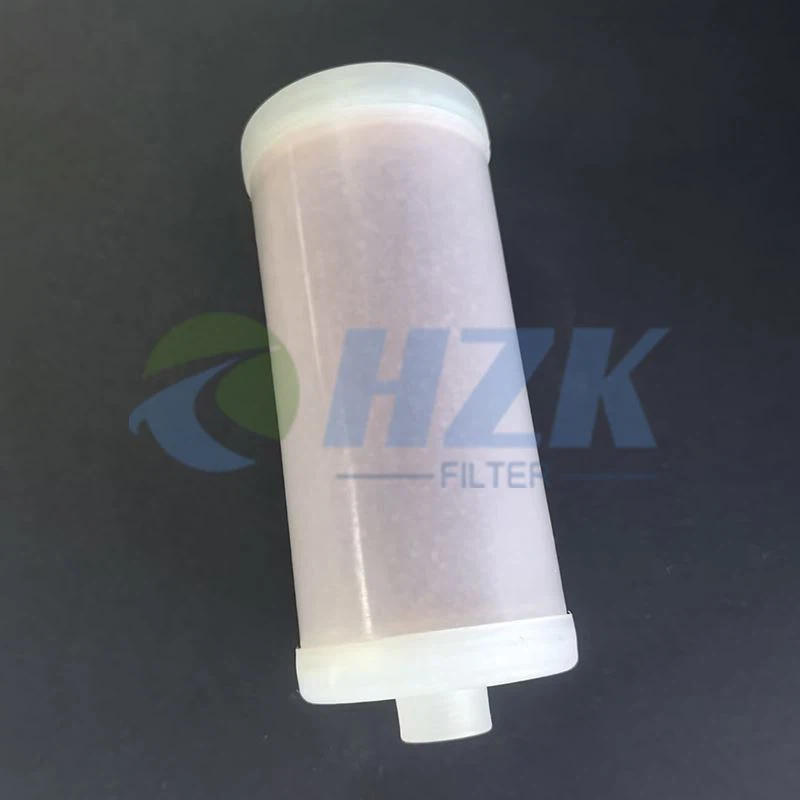
One type of filter element that can be a good option in different temperature conditions is the Resin Filter Element. Resin filter elements are known for their ability to adsorb a wide range of contaminants, including heavy metals and organic compounds. They can also be more resistant to temperature changes compared to some other types of filter media. The resin beads in these elements have a stable structure that can withstand both cold and hot water to some extent.
Conclusion
So, as you can see, temperature plays a huge role in how well your water filter cartridge works and how long it lasts. Whether it's cold or hot outside, it's important to choose the right cartridge for your environment. As a water filter cartridge supplier, I'm always here to help you find the best solution for your needs. If you're having trouble with your current cartridge due to temperature issues or if you're looking for a new cartridge that can handle the temperature in your area, don't hesitate to reach out. We can have a chat about your specific situation and find the perfect water filter cartridge for you. Contact us today to start the procurement negotiation and get the clean, safe water you deserve!
References
- "Water Filtration Technology Handbook" - A comprehensive guide on water filtration that includes information on the effects of temperature on filter cartridges.
- "Thermal Effects on Filtration Processes" - A research paper that delves into the scientific details of how temperature impacts the efficiency and lifespan of water filters.