

As a reputable supplier of wound filter cartridges, I understand the importance of proper maintenance to ensure the optimal performance and longevity of these filtration solutions. Wound filter cartridges are widely used in various industries and applications for their efficient particle removal capabilities. In this blog post, I will delve into the maintenance requirements for wound filter cartridges, providing you with valuable insights and practical tips to keep your filtration systems running smoothly.
Understanding Wound Filter Cartridges
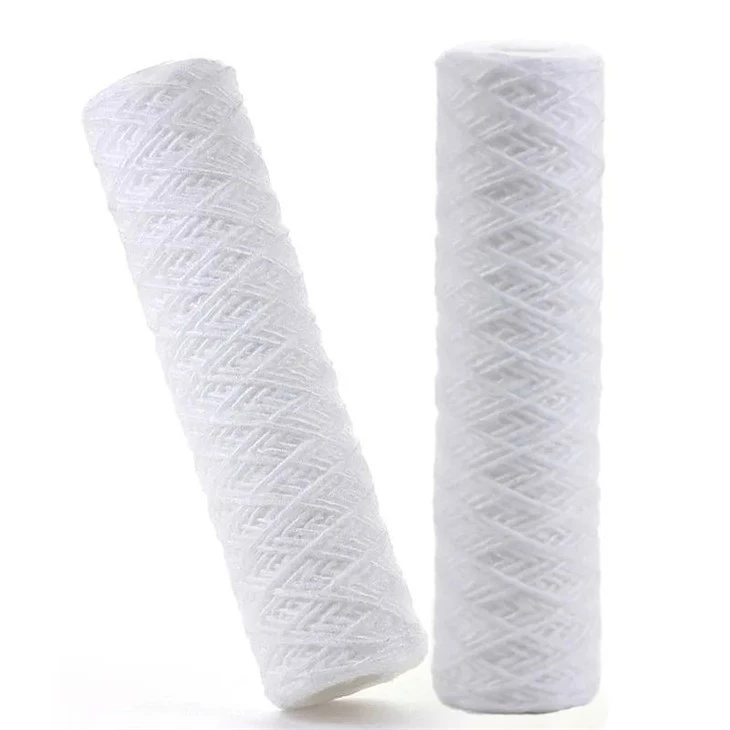
Before we discuss the maintenance requirements, let's briefly understand what wound filter cartridges are. Wound filter cartridges are made by winding a filtering material, such as cotton, polyester, or polypropylene, around a central core in a spiral or linear pattern. This winding process creates a depth filter that can trap particles of various sizes as the fluid passes through the cartridge.
There are different types of wound filter cartridges available, each with its own unique characteristics and applications. For example, Cotton String Wound Filter is a popular choice for applications where high dirt-holding capacity and excellent filtration efficiency are required. Spiral Wound Filter Cartridge offers a tight and uniform winding pattern, providing consistent filtration performance. PP Wound Filter Cartridge is known for its chemical resistance and durability, making it suitable for use in harsh environments.
Maintenance Requirements for Wound Filter Cartridges
Regular Inspection
Regular inspection is the first step in maintaining wound filter cartridges. Check the cartridges visually for any signs of damage, such as cracks, tears, or excessive dirt buildup. Inspect the end caps and seals to ensure they are intact and properly seated. Any damage to the cartridges or seals can compromise the filtration efficiency and lead to bypass of contaminants.
Pressure Drop Monitoring
Monitoring the pressure drop across the filter cartridges is an important part of maintenance. As the cartridges become clogged with dirt and debris, the pressure drop across the cartridges increases. A sudden increase in pressure drop may indicate a problem, such as a blocked cartridge or a malfunctioning pump. By monitoring the pressure drop regularly, you can determine when it is time to replace the cartridges.
Cleaning
In some cases, wound filter cartridges can be cleaned and reused. However, the cleaning process depends on the type of filtering material and the nature of the contaminants. For example, cotton string wound filters can be washed with water and mild detergent, while PP wound filter cartridges can be cleaned with a suitable chemical cleaner. It is important to follow the manufacturer's recommendations for cleaning to avoid damaging the cartridges.
Replacement
Despite proper cleaning and maintenance, wound filter cartridges will eventually reach the end of their service life and need to be replaced. The replacement interval depends on several factors, such as the type of application, the flow rate, and the level of contaminants in the fluid. As a general rule, it is recommended to replace the cartridges when the pressure drop across the cartridges reaches a certain level or when the filtration efficiency decreases significantly.
Storage
Proper storage of wound filter cartridges is also important to ensure their performance and longevity. Store the cartridges in a clean, dry place away from direct sunlight and extreme temperatures. Avoid storing the cartridges in areas where they may be exposed to dust, dirt, or chemicals.
Tips for Maintaining Wound Filter Cartridges
Use the Right Cartridge
Using the right type of wound filter cartridge for your application is crucial for optimal performance. Consider factors such as the type of fluid, the particle size distribution, and the flow rate when selecting a cartridge. Consult with a filtration expert or the manufacturer to ensure you choose the right cartridge for your specific needs.
Follow the Manufacturer's Recommendations
Always follow the manufacturer's recommendations for installation, operation, and maintenance of the wound filter cartridges. The manufacturer's instructions provide valuable information on how to properly use and care for the cartridges, which can help extend their service life and ensure their performance.

Train Your Staff
Proper training of your staff is essential for the effective maintenance of wound filter cartridges. Make sure your staff understands the importance of regular inspection, pressure drop monitoring, cleaning, and replacement of the cartridges. Provide them with the necessary tools and resources to perform these tasks safely and effectively.
Keep Records
Keeping records of the maintenance activities for your wound filter cartridges is a good practice.记录包括更换日期、压力降测量值和清洁程序等信息,有助于识别趋势并提前预测潜在问题,也可在需要时证明您的过滤系统已得到适当维护。
Conclusion
Proper maintenance of wound filter cartridges is essential for ensuring the efficient operation and longevity of your filtration systems. By following the maintenance requirements outlined in this blog post, you can keep your cartridges in good condition and maximize their performance. Remember to use the right cartridge for your application, follow the manufacturer's recommendations, train your staff, and keep records of your maintenance activities.
If you have any questions or need further information about wound filter cartridges or their maintenance, please feel free to contact us. We are a leading supplier of high-quality wound filter cartridges and can provide you with the products and support you need to meet your filtration requirements. Let's start a conversation and explore how we can help you achieve your filtration goals.
References
- Filtration Handbook, Fourth Edition, by Peter A. Schweitzer
- Industrial Water Treatment Handbook, Third Edition, by Frank N. Kemmer