

Hey there! As a wound cartridge supplier, I often get asked about the industry standards for these essential filtration components. In this blog post, I'm gonna break down what those standards are, why they matter, and how they impact the performance of wound cartridges.
What Are Wound Cartridges?
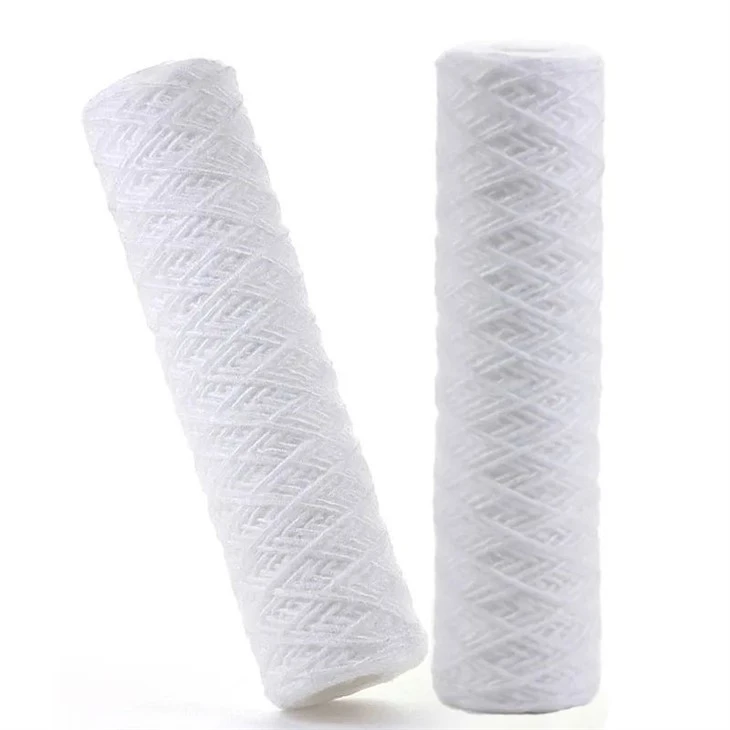
Before we dive into the industry standards, let's quickly go over what wound cartridges are. Wound cartridges are filtration devices made by winding a yarn or string around a core. This winding process creates a depth filter that can trap particles of various sizes as fluid passes through it. They're commonly used in water treatment, industrial processes, and even in some food and beverage applications.
Key Industry Standards
Material Quality
One of the most important industry standards for wound cartridges is the quality of the materials used. The yarn or string used for winding can be made from different materials, such as polypropylene, cotton, or glass fiber. Each material has its own set of properties that affect the cartridge's performance.
For example, polypropylene is a popular choice because it's chemically resistant, durable, and can handle a wide range of temperatures. Cotton, on the other hand, is a natural material that's great for filtering out larger particles and is often used in applications where a more "gentle" filtration is required. Glass fiber is known for its high efficiency in capturing very fine particles.
As a supplier, we make sure to source high - quality materials for our wound cartridges. We work with trusted manufacturers who adhere to strict quality control measures to ensure that the materials meet or exceed industry standards. This way, our customers can be confident that they're getting a reliable and effective filtration solution.
Micron Rating
The micron rating is another crucial industry standard for wound cartridges. It refers to the size of the particles that the cartridge can effectively remove from the fluid. A lower micron rating means that the cartridge can filter out smaller particles.
For instance, a 1 - micron wound cartridge can trap particles as small as 1 micron in size, while a 10 - micron cartridge is designed to capture larger particles. The choice of micron rating depends on the specific application. If you're filtering water for drinking, you might need a lower micron rating to remove bacteria and other contaminants. In an industrial process where larger debris needs to be removed, a higher micron rating might be sufficient.
We offer a variety of wound cartridges with different micron ratings to meet the diverse needs of our customers. Whether you're looking for a 40 Inch Wound Cartridge Filter with a 1 - micron rating for a large - scale water treatment plant or a 20 String Wound Filter with a 20 - micron rating for a smaller industrial process, we've got you covered.
Filtration Efficiency
Filtration efficiency is a measure of how well a wound cartridge can remove particles from the fluid. It's usually expressed as a percentage. Industry standards typically require a certain level of filtration efficiency depending on the application.
For example, in some water treatment applications, a wound cartridge might need to have a filtration efficiency of 95% or higher for particles of a specific size. This ensures that the water being treated meets the required quality standards.
To achieve high filtration efficiency, we use advanced manufacturing techniques in the production of our wound cartridges. Our cartridges are designed to have a uniform winding pattern, which helps to ensure consistent filtration performance across the entire surface of the cartridge.
Pressure Drop
Pressure drop is the difference in pressure between the inlet and the outlet of a wound cartridge. It's an important industry standard because excessive pressure drop can lead to reduced flow rates and increased energy consumption.
Industry standards specify acceptable levels of pressure drop for different types of wound cartridges. A well - designed wound cartridge should have a relatively low pressure drop while still maintaining high filtration efficiency.
We test our wound cartridges to ensure that they meet the pressure drop requirements. By optimizing the design and materials of our cartridges, we can minimize pressure drop and provide our customers with a cost - effective filtration solution.
Why Industry Standards Matter
Industry standards play a vital role in the wound cartridge industry. They ensure that the products are safe, reliable, and perform as expected. For customers, adhering to industry standards means that they can trust the quality of the wound cartridges they're purchasing.

When a wound cartridge meets industry standards, it's more likely to provide consistent filtration performance over time. This reduces the risk of equipment failure, improves the quality of the filtered fluid, and can save money in the long run by reducing maintenance and replacement costs.
Our Commitment as a Supplier
As a wound cartridge supplier, we're committed to meeting and exceeding industry standards. We invest in research and development to continuously improve the quality and performance of our products. Our team of experts is constantly monitoring industry trends and standards to ensure that our wound cartridges are at the forefront of innovation.
We also offer a wide range of wound cartridges to suit different applications. Whether you need a Cotton String Wound Filter for a food and beverage application or a polypropylene wound cartridge for an industrial water treatment process, we have the right solution for you.
Contact Us for Your Wound Cartridge Needs
If you're in the market for high - quality wound cartridges, we'd love to hear from you. Our team of sales representatives is ready to assist you in finding the perfect filtration solution for your specific requirements. Whether you have questions about industry standards, need help choosing the right micron rating, or want to discuss a custom - made solution, we're here to help.
Don't hesitate to reach out to us to start a conversation about your wound cartridge needs. We're confident that we can provide you with the best products and services in the industry.
References
- "Filtration Handbook", Third Edition, by Christopher D. Metzger
- Industry reports on water treatment and filtration technologies