

Hey there! As a supplier of stainless steel filters, I get asked a lot about how to tell if it's time to replace these handy little things. Let's dive right in and figure out the signs that your stainless steel filter might need swapping.
First off, you've gotta understand what's going on when you use a stainless steel filter. These filters are pretty tough cookies. They're made of high - quality stainless steel, which is corrosion - resistant, durable, and can handle a fair amount of wear and tear. They're used in all sorts of applications, like water treatment, industrial processes, and even in some home appliances.
Pressure Drop
One of the most obvious signs that your stainless steel filter is due for a replacement is a significant pressure drop. You see, when a filter is clean, fluids or gases can flow through it pretty easily. But as it starts to catch dirt, debris, and other particles, the flow gets restricted. This causes the pressure on the inlet side of the filter to increase while the pressure on the outlet side drops.
If you've got a pressure gauge installed on your filtration system, keep an eye on it. A sudden or continuous increase in the pressure differential across the filter is a red flag. For some systems, manufacturers will recommend a specific pressure drop limit. Once your filter reaches that limit, it's probably time to either clean it or replace it, depending on the type of filter.
Visual Inspection
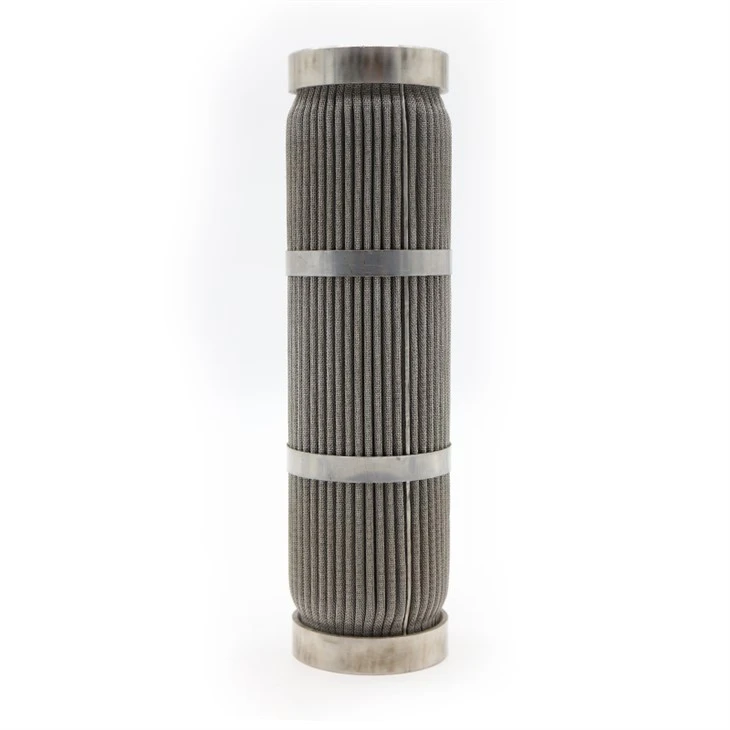
Taking a good look at your filter can also tell you a lot. If you can access the filter directly, do it. Look for physical damage like holes, cracks, or torn mesh. Stainless steel is strong, but it's not invincible. If there's a visible breach in the filter structure, it's not going to do its job properly anymore.
Another thing to look for is excessive buildup. Over time, dirt and debris will accumulate on the filter surface. If you see a thick layer that you can't easily clean off, it might be time for a new filter. For example, in a water treatment system, a clogged filter can look like it's covered in a thick, brownish - black gunk. That kind of buildup can reduce the filter's efficiency significantly.

Reduced Flow Rate
A reduced flow rate is another tell - tale sign. If you notice that the fluid or gas is flowing through your system much slower than it used to, the filter could be the culprit. This is closely related to the pressure drop we talked about earlier. As the filter gets clogged, it restricts the flow, and you end up with less output.
Say you've got a water filtration system in your home, and you used to get a nice, strong stream of water from your faucet. Now, it's just a trickle. Check your Stainless Steel Cartridge For Water Treatment. It could be that the filter has reached its capacity and needs to be replaced.
Efficiency Decrease
The main job of a filter is to remove impurities. If your system isn't doing that as well as it used to, the filter might be at fault. For instance, in an industrial process, if the quality of the final product starts to decline because there are more contaminants present, the filter could be failing.
If you're using a filter to remove particles from a liquid, you can test the liquid quality before and after the filtration process. An increase in the number of particles or other unwanted substances after the filter is a clear sign that something's not right. Maybe the filter pores have expanded or become clogged in a way that they're not capturing everything they should.
Age of the Filter
Just like anything else, filters have a lifespan. Even if your stainless steel filter looks okay and seems to be working fine, it might be time to replace it based on its age. Different types of filters have different recommended replacement intervals. For some industrial filters, it could be every few months, while for others, it might be once a year.
Manufacturers usually provide guidelines on how long a filter should last under normal operating conditions. If your filter has reached or exceeded that recommended age, it's a good idea to consider a replacement, even if you haven't noticed any other obvious signs of wear.
Compatibility Issues
Sometimes, the problem isn't with the filter itself but with how well it fits into your system. If you've made changes to your filtration system, like upgrading the pump or changing the type of fluid being filtered, your existing filter might not be compatible anymore.
For example, if you increase the flow rate in your system, a filter that was previously working fine might not be able to handle the new volume. This can lead to increased pressure drop, reduced efficiency, and other problems. In such cases, you might need to replace the filter with one that's better suited to your new system requirements.
Specialized Filters
In some cases, you might be using specialized stainless steel filters, like High Temperature Resistant Stainless Steel Cartridge. These filters are designed to withstand extreme conditions, but they're still subject to wear and tear.
If you're using a high - temperature filter, look for signs of warping or discoloration. High temperatures can cause the metal to expand and contract over time, which can lead to structural damage. Similarly, Ss Filter Mesh used in fine filtration applications can get damaged more easily. If you notice that the mesh is starting to fray or lose its shape, it's time for a replacement.
Conclusion
So, there you have it! These are some of the key signs that your stainless steel filter needs to be replaced. Keeping an eye on pressure drop, doing regular visual inspections, monitoring flow rates, and considering the age and compatibility of your filter can help you catch problems early and ensure that your filtration system is working at its best.
If you're in the market for a new stainless steel filter, or if you've got questions about which filter is right for your application, don't hesitate to reach out. We're here to help you find the perfect solution for your filtration needs. Whether it's a simple water treatment filter or a high - tech industrial cartridge, we've got you covered.
References
- General knowledge of stainless steel filter technology and operation.
- Industry standards and guidelines for filter replacement intervals.