

As a supplier of water filter cartridges, I understand the importance of ensuring that the water quality is up to standard after using our products. In this blog post, I will share some effective methods to check the water quality after using a water filter cartridge.
Understanding the Basics of Water Quality
Before diving into the checking methods, it's essential to understand what aspects of water quality we are concerned about. Generally, water quality can be evaluated from several key parameters, including physical, chemical, and biological characteristics. Physical parameters involve factors like color, turbidity, and odor. Chemical parameters include the presence of heavy metals (such as lead, mercury, and cadmium), minerals (like calcium and magnesium), and various chemicals (such as chlorine and fluoride). Biological parameters refer to the presence of microorganisms like bacteria, viruses, and protozoa.
Visual Inspection
The first and simplest way to check water quality is through visual inspection. After passing water through the filter cartridge, observe the water's appearance. Clear water without any visible particles or discoloration is a good sign. If the water appears cloudy, has sediment, or has an unusual color, it may indicate that the filter cartridge is not functioning properly or that the source water has extremely high levels of contaminants.
For example, if the water has a yellowish tint, it could be due to the presence of iron or other metals. Brown or black sediment might suggest the growth of mold or the accumulation of rust in the plumbing system. In such cases, it's necessary to further investigate the cause and determine whether the filter cartridge needs to be replaced or if there are other issues with the water supply.
Odor and Taste Test
Another straightforward method is to use your senses of smell and taste. Clean and safe water should be odorless and have a neutral taste. If the water has a strong chlorine smell, it may indicate that the filter cartridge is not effectively removing chlorine. A musty or earthy odor could be a sign of the presence of algae or other organic matter.
Taste can also provide valuable clues. Bitter or metallic tastes might suggest the presence of heavy metals or excessive minerals. If you notice any unusual odors or tastes in the filtered water, it's advisable to conduct more in - depth testing.
Testing for Chemical Contaminants
There are various test kits available in the market that can help you detect specific chemical contaminants in the water. These test kits are relatively easy to use and can provide quick results.
- Heavy Metal Testing: Heavy metals are a significant concern as they can be harmful to human health even in small quantities. Test kits for heavy metals like lead, mercury, and cadmium usually involve taking a water sample and adding specific reagents. The color change of the sample indicates the presence and approximate concentration of the heavy metal. For example, a lead test kit might turn a certain color if lead is present, and by comparing the color with a color chart provided with the kit, you can estimate the lead level in the water.
- Chlorine and Chloramine Testing: Chlorine and chloramine are commonly used as disinfectants in water treatment. However, excessive amounts can affect the taste and smell of water and may also have potential health risks. Test strips are available for quickly measuring the chlorine and chloramine levels in the water. Simply dip the test strip into the water sample, wait for a specified time, and then compare the color of the strip with the provided color chart to determine the concentration.
- Hardness Testing: Water hardness is determined by the amount of calcium and magnesium ions in the water. High - hardness water can cause scale buildup in pipes and appliances. Test kits for water hardness usually involve adding a reagent to the water sample and observing the formation of a precipitate or a color change. This can help you determine whether the water is soft, moderately hard, or hard.
Microbiological Testing
Microbiological contaminants in water can pose serious health risks, especially for people with weakened immune systems. Testing for microorganisms is more complex than testing for chemical contaminants and often requires specialized equipment and laboratory facilities.
- Bacteria Testing: One common method for testing bacteria in water is the use of culture - based methods. This involves taking a water sample and inoculating it onto a culture medium. The bacteria in the water will grow on the medium over a period of time, and the number of colonies can be counted to determine the bacterial concentration. There are also rapid testing methods available, such as using enzyme - based tests or polymerase chain reaction (PCR) techniques, which can provide results more quickly.
- Virus and Protozoa Testing: Testing for viruses and protozoa is even more challenging. Specialized laboratories are usually required to perform these tests. These tests often involve complex procedures such as filtration, concentration, and molecular techniques to detect the presence of these microorganisms.
Importance of Regular Water Quality Monitoring
Regularly monitoring the water quality after using a water filter cartridge is crucial for several reasons. Firstly, it helps to ensure that the filter cartridge is functioning effectively. Over time, filter cartridges can become clogged or lose their filtering efficiency, and regular testing can help you identify when it's time to replace the cartridge.
Secondly, it allows you to detect any changes in the water quality of the source water. The quality of the water supply can vary over time due to factors such as seasonal changes, industrial pollution, or changes in the water treatment process. By monitoring the water quality, you can take appropriate measures to address any emerging issues.
The Role of Our Water Filter Cartridges
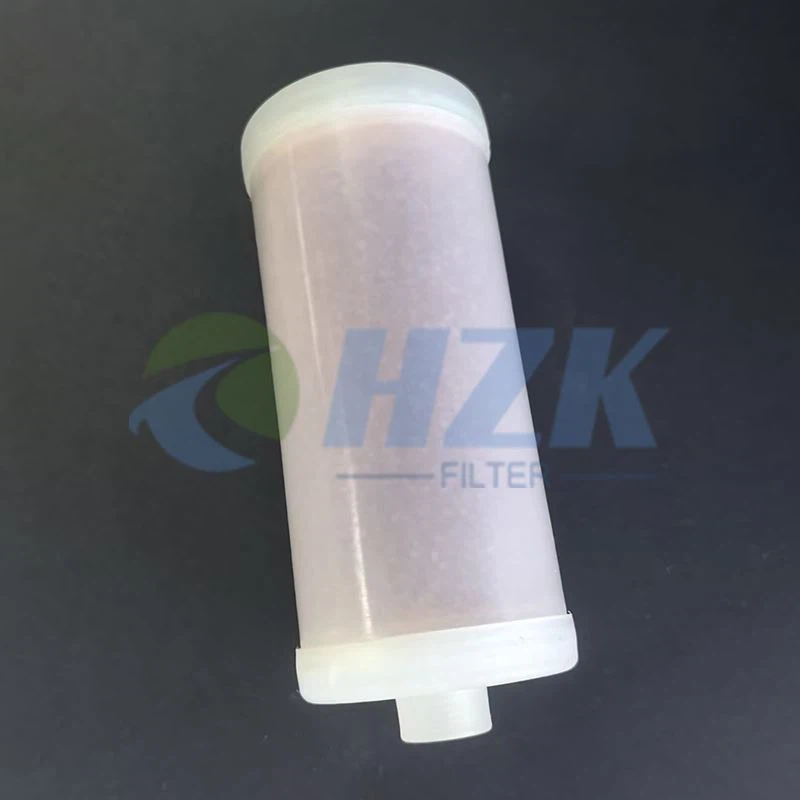
At our company, we are committed to providing high - quality water filter cartridges that can effectively remove a wide range of contaminants. Our Resin Filter Element is designed to specifically target certain types of contaminants, such as heavy metals and hardness - causing minerals. It uses advanced resin technology to adsorb and remove these contaminants from the water, ensuring that the filtered water meets the highest quality standards.
Contact Us for Your Water Filter Cartridge Needs
If you are looking for reliable water filter cartridges or have any questions about water quality testing, we are here to help. Our team of experts can provide you with professional advice and guidance on choosing the right filter cartridge for your specific needs. Whether you are a homeowner, a business owner, or an industrial user, we have the solutions to meet your water filtration requirements. Contact us today to start a discussion about your water filtration needs and how we can help you ensure the best water quality.
References
- "Water Quality and Treatment: A Handbook of Community Water Supplies" by American Water Works Association.
- "Environmental Science: Toward a Sustainable Future" by Richard T. Wright and Dorothy F. Boorse.
- "Microbiology: An Introduction" by Gerard J. Tortora, Berdell R. Funke, and Christine L. Case.