

Calibrating a water filter cartridge is a crucial process that ensures its optimal performance and longevity. As a supplier of water filter cartridges, I understand the significance of this procedure and its impact on the quality of water filtration. In this blog post, I will share my insights on how to calibrate a water filter cartridge effectively.
Understanding the Basics of Water Filter Cartridge Calibration
Before diving into the calibration process, it's essential to understand what water filter cartridge calibration entails. Calibration is the process of adjusting the filter cartridge to ensure that it operates within the specified parameters. This involves setting the correct flow rate, pressure, and filtration efficiency to meet the requirements of the water treatment system.
The calibration process is necessary because water filter cartridges can experience variations in performance over time due to factors such as clogging, wear and tear, and changes in water quality. By calibrating the filter cartridge regularly, you can maintain its effectiveness and prevent potential issues such as reduced flow rate, poor filtration, and premature cartridge replacement.
Step-by-Step Guide to Calibrating a Water Filter Cartridge
Step 1: Gather the Necessary Tools and Equipment
Before you begin the calibration process, you will need to gather the following tools and equipment:
- Pressure gauge: This will help you measure the pressure drop across the filter cartridge.
- Flow meter: This will allow you to measure the flow rate of water through the filter cartridge.
- Adjustable wrench: This will be used to make any necessary adjustments to the filter cartridge.
- Cleaning supplies: You may need to clean the filter cartridge before calibration to ensure accurate readings.
Step 2: Check the Manufacturer's Specifications
The first step in calibrating a water filter cartridge is to refer to the manufacturer's specifications. These specifications will provide you with the recommended flow rate, pressure, and filtration efficiency for the filter cartridge. Make sure you have a clear understanding of these specifications before proceeding with the calibration process.
Step 3: Install the Pressure Gauge and Flow Meter
Once you have gathered the necessary tools and equipment, you can install the pressure gauge and flow meter. The pressure gauge should be installed upstream and downstream of the filter cartridge to measure the pressure drop across the cartridge. The flow meter should be installed in the water line to measure the flow rate of water through the filter cartridge.
Step 4: Measure the Initial Pressure and Flow Rate
Before making any adjustments to the filter cartridge, you should measure the initial pressure and flow rate. This will give you a baseline reading to compare against after the calibration process. Record the initial pressure and flow rate readings for future reference.
Step 5: Clean the Filter Cartridge (if necessary)
If the filter cartridge is dirty or clogged, it may affect the accuracy of the calibration readings. In this case, you should clean the filter cartridge according to the manufacturer's instructions. This may involve soaking the cartridge in a cleaning solution or using a brush to remove any debris.
Step 6: Adjust the Flow Rate
Once you have measured the initial pressure and flow rate, you can adjust the flow rate to the recommended level. This may involve adjusting the valve on the water line or changing the size of the orifice in the filter cartridge. Use the flow meter to monitor the flow rate and make adjustments as needed until the recommended flow rate is achieved.
Step 7: Adjust the Pressure
After adjusting the flow rate, you can adjust the pressure to the recommended level. This may involve adjusting the pressure relief valve or the pump speed. Use the pressure gauge to monitor the pressure and make adjustments as needed until the recommended pressure is achieved.
Step 8: Re-measure the Pressure and Flow Rate
Once you have made the necessary adjustments to the flow rate and pressure, you should re-measure the pressure and flow rate. Compare the new readings to the initial readings and the manufacturer's specifications. If the readings are within the recommended range, the filter cartridge is calibrated correctly. If the readings are outside the recommended range, you may need to make further adjustments.
Step 9: Monitor the Performance of the Filter Cartridge
After calibrating the filter cartridge, it's important to monitor its performance regularly. This will help you detect any potential issues early on and take corrective action before they become major problems. You should monitor the pressure, flow rate, and filtration efficiency of the filter cartridge on a regular basis and record the readings for future reference.
Tips for Effective Water Filter Cartridge Calibration
- Follow the Manufacturer's Instructions: Always refer to the manufacturer's specifications and instructions when calibrating a water filter cartridge. This will ensure that you are following the correct procedure and using the recommended tools and equipment.
- Use High-Quality Tools and Equipment: Using high-quality pressure gauges, flow meters, and other tools and equipment will ensure accurate readings and reliable performance. Invest in good-quality tools and equipment to ensure the effectiveness of the calibration process.
- Calibrate the Filter Cartridge Regularly: Regular calibration is essential to maintain the performance and longevity of the water filter cartridge. You should calibrate the filter cartridge at least once a year or more frequently if the water quality or usage patterns change.
- Keep Records of the Calibration Process: Keeping records of the calibration process will help you track the performance of the filter cartridge over time and identify any potential issues. You should record the initial pressure and flow rate readings, the adjustments made during the calibration process, and the final pressure and flow rate readings.
Conclusion
Calibrating a water filter cartridge is a critical process that ensures its optimal performance and longevity. By following the steps outlined in this blog post and using the tips provided, you can calibrate your water filter cartridge effectively and maintain the quality of your water filtration system.
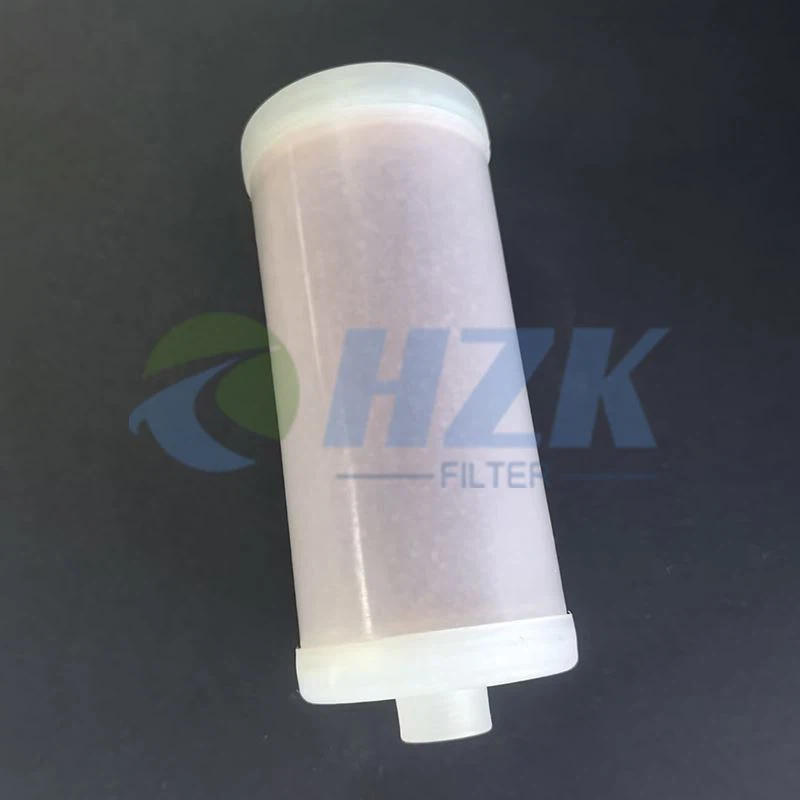
As a supplier of water filter cartridges, we offer a wide range of high-quality Resin Filter Element that are designed to meet the diverse needs of our customers. Our filter cartridges are made from premium materials and are rigorously tested to ensure their performance and reliability.
If you are interested in purchasing water filter cartridges or have any questions about calibration or water filtration, please feel free to contact us. We would be happy to assist you with your water filtration needs and provide you with the information and support you need to make an informed decision.
References
- Water Filter Cartridge Manufacturer's Manuals
- Industry Standards and Guidelines for Water Filtration