

In the era of increasing water scarcity and environmental consciousness, water recycling systems have emerged as a crucial solution to conserve this precious resource. These systems play a vital role in treating and reusing water from various sources, such as industrial wastewater, municipal sewage, and even greywater from households. One of the key challenges in water recycling is the formation of scale, which can significantly reduce the efficiency and lifespan of the system. This is where antiscalant cartridges come into play. As a leading supplier of antiscalant cartridges, I am often asked whether these cartridges can be effectively used in water recycling systems. In this blog post, I will explore this question in detail and provide insights into the benefits and considerations of using antiscalant cartridges in water recycling applications.

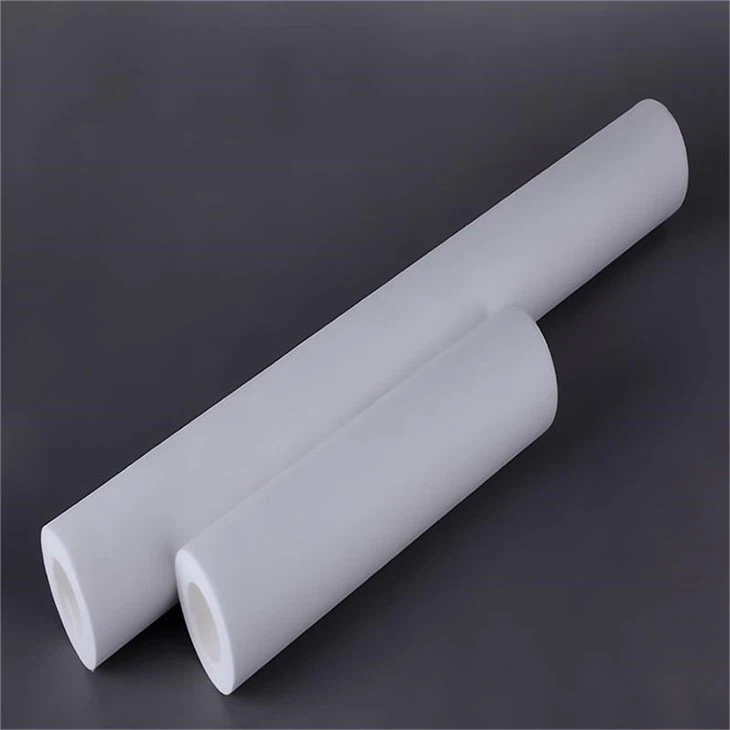
Understanding Scale Formation in Water Recycling Systems
Scale is a hard, mineral deposit that forms when dissolved minerals in water, such as calcium, magnesium, and silica, precipitate out of solution and adhere to the surfaces of pipes, membranes, and other equipment in the water recycling system. This can occur due to various factors, including changes in temperature, pressure, and pH, as well as the concentration of minerals in the water. Scale formation can have several negative impacts on water recycling systems, including:
- Reduced Efficiency: Scale buildup can restrict the flow of water through pipes and membranes, increasing the energy consumption required to pump the water and reducing the overall efficiency of the system.
- Increased Maintenance Costs: Scale can cause damage to pipes, membranes, and other equipment, leading to increased maintenance and replacement costs.
- Shortened Lifespan of Equipment: Over time, scale buildup can cause irreversible damage to equipment, reducing its lifespan and requiring more frequent replacements.
How Antiscalant Cartridges Work
Antiscalant cartridges are designed to prevent scale formation by inhibiting the precipitation of minerals in water. These cartridges typically contain a blend of chemicals that work in different ways to prevent scale formation, including:
- Threshold Inhibition: Antiscalants can prevent the formation of scale by keeping the minerals in solution at concentrations that would normally cause precipitation. This is achieved by adsorbing onto the surface of the minerals and preventing them from aggregating and forming crystals.
- Crystal Modification: Antiscalants can also modify the shape and size of the crystals that do form, making them less likely to adhere to surfaces and more likely to be carried away by the water flow.
- Dispersion: Some antiscalants can disperse the minerals in water, preventing them from settling and forming scale.
Benefits of Using Antiscalant Cartridges in Water Recycling Systems
There are several benefits to using antiscalant cartridges in water recycling systems, including:
- Improved Efficiency: By preventing scale formation, antiscalant cartridges can help maintain the flow of water through pipes and membranes, reducing energy consumption and improving the overall efficiency of the system.
- Reduced Maintenance Costs: Antiscalant cartridges can help prevent damage to pipes, membranes, and other equipment, reducing the need for frequent maintenance and replacement.
- Extended Lifespan of Equipment: By preventing scale buildup, antiscalant cartridges can help extend the lifespan of equipment, reducing the overall cost of the water recycling system.
- Improved Water Quality: Antiscalant cartridges can help prevent the formation of scale and other deposits, which can improve the quality of the recycled water and make it more suitable for reuse.
Considerations When Using Antiscalant Cartridges in Water Recycling Systems
While antiscalant cartridges can be an effective solution for preventing scale formation in water recycling systems, there are several considerations to keep in mind when using them, including:
- Water Quality: The effectiveness of antiscalant cartridges depends on the quality of the water being treated. Different types of antiscalants are designed to work with different types of water, so it is important to choose the right antiscalant for the specific water conditions.
- Dosage: The dosage of antiscalant required depends on several factors, including the concentration of minerals in the water, the flow rate of the water, and the temperature and pressure of the system. It is important to follow the manufacturer's recommendations for dosage to ensure optimal performance.
- Compatibility: Antiscalants can interact with other chemicals and materials in the water recycling system, so it is important to ensure that the antiscalant is compatible with the other components of the system.
- Monitoring and Maintenance: Regular monitoring of the water quality and the performance of the antiscalant cartridges is essential to ensure that they are working effectively. It is also important to follow the manufacturer's recommendations for maintenance and replacement of the cartridges.
Choosing the Right Antiscalant Cartridge for Your Water Recycling System
When choosing an antiscalant cartridge for your water recycling system, it is important to consider several factors, including:
- Water Quality: As mentioned earlier, the effectiveness of antiscalant cartridges depends on the quality of the water being treated. It is important to choose an antiscalant that is designed to work with the specific water conditions in your system.
- System Requirements: The type and size of the water recycling system will also affect the choice of antiscalant cartridge. It is important to choose a cartridge that is compatible with the system and can provide the required level of protection against scale formation.
- Cost: The cost of antiscalant cartridges can vary depending on the type and size of the cartridge, as well as the manufacturer. It is important to consider the cost of the cartridges in relation to the benefits they provide, as well as the overall cost of the water recycling system.
In addition to antiscalant cartridges, there are several other types of filter cartridges that can be used in water recycling systems, including Bio Pure Pre Filter Cartridge, RO Filter Cartridge 5 Micron, and Sediment Carbon Cartridge Prefilter. These cartridges can help remove other contaminants from the water, such as sediment, chlorine, and organic matter, and can improve the overall quality of the recycled water.
Conclusion
In conclusion, antiscalant cartridges can be an effective solution for preventing scale formation in water recycling systems. By inhibiting the precipitation of minerals in water, antiscalant cartridges can help improve the efficiency, reduce the maintenance costs, and extend the lifespan of the system. However, it is important to choose the right antiscalant cartridge for the specific water conditions and system requirements, and to follow the manufacturer's recommendations for dosage, compatibility, monitoring, and maintenance. If you are interested in learning more about antiscalant cartridges or other types of filter cartridges for your water recycling system, please contact us to discuss your specific needs and requirements. We are a leading supplier of high-quality antiscalant cartridges and other water treatment products, and we are committed to providing our customers with the best possible solutions for their water recycling needs.
References
- AWWA. (2019). Water Treatment Plant Design, 6th Edition.
- Crittenden, J. C., Trussell, R. R., Hand, D. W., Howe, K. J., & Tchobanoglous, G. (2012). MWH's Water Treatment: Principles and Design, 3rd Edition.
- USEPA. (2017). Water Reuse: A National Blueprint for Water Security.